Mahmut Cil
27 February 2026•Update: 27 February 2026
ISTANBUL
Global central banks are facing a packed schedule in March amid efforts to balance geopolitical tensions, employment risks, and the ongoing fight against inflation.
Financial markets are closely monitoring future guidance that will shape the economic trajectory for the rest of the year, as central banks are expected to come out with a mix of rate cuts, holds, and potential hikes next month.
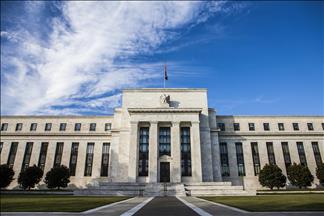
The Fed is widely expected to maintain its policy rate at its March 18 meeting.
Investors will be on the lookout for policy statements and verbal guidance from Fed Chair Jerome Powell, especially as a June rate cut emerges as the frontrunner.
Expectations over who will succeed Powell when he steps down in May will also influence broader expectations.
Inflation and employment risks continue to weigh on the Fed’s easing process, while moderate employment data for January created some opportunity to focus more on combating inflation.
February inflation and employment data are expected to shape future projects.
Meanwhile, the Bank of Canada (BoC) is expected to maintain its policy rate at 2.52% on the same day as the Fed.
As for Europe, the eurozone’s annual inflation in January came in at 1.7%, within estimates, but showed a decline versus the previous data period.
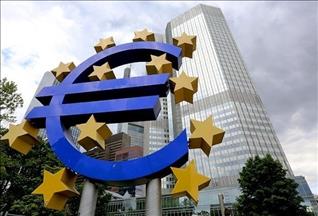
The ECB is expected to maintain its policy rate on March 19, with inflation in the region hovering close to its medium-term target, while the bank expects increased spending in the coming period, especially in defense.
In fact, the ECB is widely expected to make no rate cuts throughout the year.
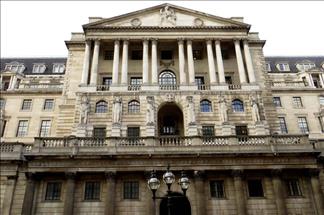
At the same time, the Bank of England (BoE) is expected to cut its base rate by 25 basis points to 3.5% on March 19.
The bank kept its rates unchanged in February, saying the risk of inflation persisting for longer continued to diminish but some inflation risks remained due to weakening demand and a softening labor market.
The UK’s January inflation fell to 3%, which led the money markets to estimate a cut with an 80% probability, following a total of 100 basis points in cuts last year.
Investors will look to the policy decisions of the Swiss National Bank, Hungary’s Magyar Nemzeti Bank, Sweden’s Riksbank, Norway’s Norges Bank, the National Bank of Poland, and the Central Bank of Russia.
As for Asia, the Bank of Japan (BoJ) is expected to maintain its policy rate at 0.75% on March 19 after it maintained rates in January.
The bank said that the risks potentially affecting the outlook are global economic activity, price fluctuations due to trade and other policies, wage and price-setting behaviors of corporations, and developments in the foreign exchange market.
The BoJ raised its consumer price index (CPI) estimates from 1.8% to 1.9% for fiscal 2026.
Markets widely expect that the bank may raise its rates in April for the first time this year.
The Reserve Bank of Australia (RBA) is widely expected to keep its rate unchanged after a hike in December last year by 25 basis points to 3.85% due to economic growth and inflation estimates exceeding expectations versus six months prior amid capacity constraints, which also turned out to be larger than expected.
As for Türkiye, the country’s Central Bank will announce its monetary policy decision on March 12.
The Central Bank in January cut its policy rate by 100 basis points to 37%, while adjusting its overnight lending and borrowing rates from 41% to 40% and from 36.5% to 35.5%, respectively.
Meanwhile, the country’s monthly consumer inflation rose last month, with food prices driving the surge, while the rise in the underlying trend remained limited.
Investors will be closely watching for new signals after the recent uptick in consumer inflation.
*Writing by Emir Yildirim