Ali Canberk Ozbugutu and Mahmut Cil
30 March 2026•Update: 30 March 2026
ISTANBUL
The ongoing crisis in the Middle East and the geopolitical risks it is fueling are pushing upward pressure on the global inflation outlook through surging oil prices, while market expectations show the Fed has shifted from a dovish to a hawkish stance over the past month.
The war in the Middle East, triggered by the joint US-Israeli attacks on Iran on Feb. 28 and Tehran's subsequent retaliations, is approaching its first month as the economic impact of the conflict becomes increasingly evident.
Continued targeting of oil facilities by both sides is fueling energy supply concerns and driving up oil prices, with the ripple effect reshaping inflation, growth, and monetary policy estimates worldwide.
Rising energy prices could complicate the fight against global inflation, while central banks, led by the Fed, are expected to postpone previously anticipated rate cuts. Recent macroeconomic data showing persistent inflationary pressures and energy-driven geopolitical risks have caused rate cut expectations to fade in money market estimates.
The Fed was previously expected to issue two rate cuts by year-end, but those estimates have given way to more hawkish projections as the war's negative effects intensify. Central banks worldwide are widely expected to hold rates, though potential rate hike estimates remain on the table.
Rising inflation expectations amid geopolitical risks have also triggered selling pressure in government bonds. The US 10-year Treasury yield rose to 4.46%, testing its highest level since July 2025.
US inflation has averaged around 3.5% per year over the past seven years, significantly above the Fed's 2% target, an expert told Anadolu.
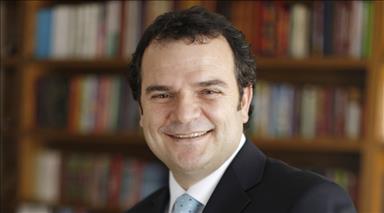
Hande Sekerci, chief economist at Türkiye-based IS Asset Management, said the onset of an oil supply shock due to the Middle East crisis and the upcoming inauguration of a new Fed chair who has yet to be tested by the market stand out as key factors that may boost volatility and erode confidence in US bond markets in the short term.
She noted that the US 10-year Treasury yield rose from below 4% at the start of the month to 4.4% on Monday as March draws to a close.
"The current yield is priced optimistically considering the risk of prolonged geopolitical tensions and the global energy price shock, and its potential implications for US inflation," she said, adding that the potential for upward movement in US bonds in the short term is higher than downward risks if the Middle East conflict is not short-lived.
She noted that central banks can limit the impact of supply-side shocks on inflation, but such intervention also creates a policy dilemma. "Rises in oil prices are both fueling inflationary pressures and weakening growth dynamics through cost channels that spread across the broader economy," she added.
Sekerci said policymakers will have to strike a difficult balance due to the inverse relationship between inflation and growth in the short term.
"Former Fed Chair Ben Bernanke's analysis in 2004 remains valid in this context — policy cannot counteract both the recessionary and inflationary effects of rising oil prices, and while efforts to support growth via rate cuts risk boosting inflationary pressure, tightening policy to control inflation could deepen the economic slowdown, so the policy choice here is shaped by the risk balance between price stability and employment targets," she said.
War-induced supply shocks have led to a massive shift in the policy and communication guidance of central banks in developed countries, Sekerci noted. "While the Fed emphasized persisting uncertainties over the war's impact on the economy in March, expectations priced at the start of 2026 anticipating rate cuts to continue gave way to estimates of potential rate hikes during the year," she said.
She added that the Fed could maintain a wait-and-see approach for some time to balance maximum employment and price stability, but the likelihood of the new chair's first move being a hike rather than a cut is on the rise.
The situation differs somewhat in the eurozone and the UK, where price stability is the primary objective. Money markets are pricing in higher rate hikes based on the perception that central banks in these regions will prioritize inflation.
The European Central Bank (ECB) adopted a more cautious stance against upward inflation risks.
"Global markets expect an ECB rate hike in June with almost certainty, but expectations over the euro-dollar exchange rate have weakened, despite rate hike estimates, the exchange rate is expected to settle at a lower level by year-end versus previous scenarios. Overall, global energy price shocks have had a more negative impact on eurozone growth, while the primary damage to the US economy has driven inflation higher than in the eurozone," Sekerci said.
"We think the first step by the Fed, after the new chair adopts a wait-and-see approach for a while, could likely come as a rate hike either by the end of this year or in January 2027," she added.
*Writing by Emir Yildirim in Istanbul