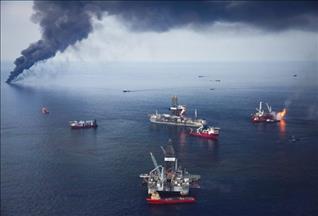
- Companies in the mix include US giants Chevron, ExxonMobil and ConocoPhillips, along with European firms such as TotalEnergies, Equinor, Eni, BP and Shell
ISTANBUL
Venezuela sits atop the world’s largest proven crude oil reserves – an estimated 303 billion barrels – yet for decades its vast energy wealth has been shaped less by geology than by geopolitics, sanctions, and foreign corporate interests that once extracted enormous profits before walking away.
Now, following the US military intervention and capture of President Nicolas Maduro, those same global oil giants are circling once again, positioning themselves to reclaim access to a resource base they long dominated.
The sudden re-emergence of Western oil companies’ interest comes after years in which US sanctions and financial isolation deliberately eroded Venezuela’s production capacity, choked access to investment and technology, and contributed to the collapse of infrastructure once built to serve foreign firms as much as the Venezuelan state.
Despite holding the world’s largest reserves, Venezuela’s oil output has been reduced to a fraction of its potential. The country consistently produced more than 3 million barrels per day (bpd) in the late 1990s and early 2000s. By 2025, production had fallen to between 1-1.2 million bpd, following years of underinvestment, asset seizures abroad, blocked exports, and sweeping US sanctions that targeted the state-owned PDVSA’s ability to operate, trade, and finance itself.
Since the 1970s – and more forcefully under Hugo Chavez in the 2000s – Venezuela asserted state control over its oil sector, forcing foreign majors to renegotiate contracts, cede majority ownership, or exit altogether. Those nationalization policies reshaped the industry, but they also triggered a prolonged confrontation with Western energy firms and governments accustomed to preferential access and control.
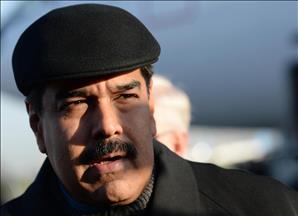
That confrontation escalated dramatically over the weekend, when the Trump administration launched a military intervention in Venezuela and captured Maduro and his wife, Cilia Flores.
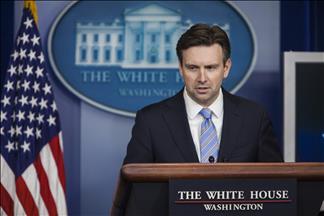
President Donald Trump declared shortly afterward that the US was now “in charge” of Venezuela and openly framed the intervention as a pathway for American oil companies to take over the country’s energy sector.
“The big oil companies (are) going to go in and they’re going to fix the infrastructure. They’re going to invest money. We’re not going to invest anything. We’re going to just take care of the country,” he said.
The statement underscored what critics have long argued: that sanctions, isolation, and now direct military force are being used to re-engineer US control of its most valuable resource.
Major companies operating in Venezuela
PDVSA continues to control Venezuela’s oil sector, partnering with foreign firms through joint ventures that grant minority stakes.
Among US companies, Chevron stands alone as the last major American firm still operating in the country.
Chevron holds minority stakes in several PDVSA joint ventures, including projects producing heavy crude, and is allowed to export oil primarily to the US.
Crucially, revenues are directed toward recovering Chevron’s own debts rather than funding Venezuela’s state budget. By late 2025, Chevron accounted for roughly 20-30% of Venezuela’s total production – between 100,000 and 150,000 bpd – according to the Energy Analytics Institute.
China’s CNPC, through the Sinovensa joint venture, remains another major foreign participant, producing around 100,000 bpd in mid-2024, largely feeding Chinese markets.
Spanish energy firm Repsol holds stakes in projects such as Petroquiriquire, a joint venture with PDVSA, which produces oil and gas in eastern Venezuela. In early 2025, the US government revoked the license that permitted Repsol to operate in Venezuela.
Russian state-linked firms such as Roszarubezhneft have stakes in ventures such as Petroperija and others. In November 2025, Venezuela’s National Assembly approved a 15-year extension of these ventures.
Firms that left
US firms ExxonMobil and ConocoPhillips abandoned major Orinoco Belt projects in the mid-2000s after refusing to accept majority state control. Each later pursued multibillion-dollar arbitration claims against Venezuela for expropriated assets – claims that remain unpaid amid economic pressure and asset seizures abroad.
France’s TotalEnergies, Norway’s Equinor, Italy’s Eni, and Japan’s Inpex all exited Venezuela between 2021 and 2025, citing sanctions, infrastructure decay, and strategic realignment – though each departure followed years of profitable extraction during earlier periods of foreign dominance.
Aside from oil, natural gas projects involving BP, Shell, and Trinidad and Tobago’s National Gas Company were similarly derailed after US license revocations halted planning and investment.
In several cases, projects collapsed not because Venezuela withdrew, but because Washington withdrew permission.
Return built on regime change
With Maduro out and Washington openly calling for corporate reinvestment, global oil majors are positioning themselves for re-entry – this time under a US-backed political order.
Analysts say ExxonMobil and ConocoPhillips may seek to resolve arbitration claims by acquiring new stakes, preferential terms, or production rights.
Chevron is expected to expand aggressively. A former top Chevron executive, Ali Moshiri, said he expects $2 billion in Venezuelan oil investment as companies respond to Trump’s call to pour “billions of dollars” into the country, according to the Financial Times.
European majors – TotalEnergies, Equinor, Eni, BP, and Shell – are also widely seen as potential beneficiaries, despite their past exits and outstanding disputes.
However, any return, analysts note, would be tightly conditioned on legal guarantees for foreign investors – not guarantees for Venezuelan sovereignty, environmental protection, or public welfare.