
- Cuba has received no oil shipments since US captured Venezuela’s Maduro, blocked Venezuelan oil shipments to Havana, and forced other countries to stop their supplies as well
- ‘We came to show solidarity with the Cuban people in this very difficult moment,’ says Mexican activist aboard aid boat
- Havana resident welcomes flotilla, saying it challenges US sanctions ‘unjustly imposed’ on Cuba
- US Army veteran says Washington’s policy amounts to an ‘illegal blockade’ and ‘mass punishment’
HAVANA, Cuba
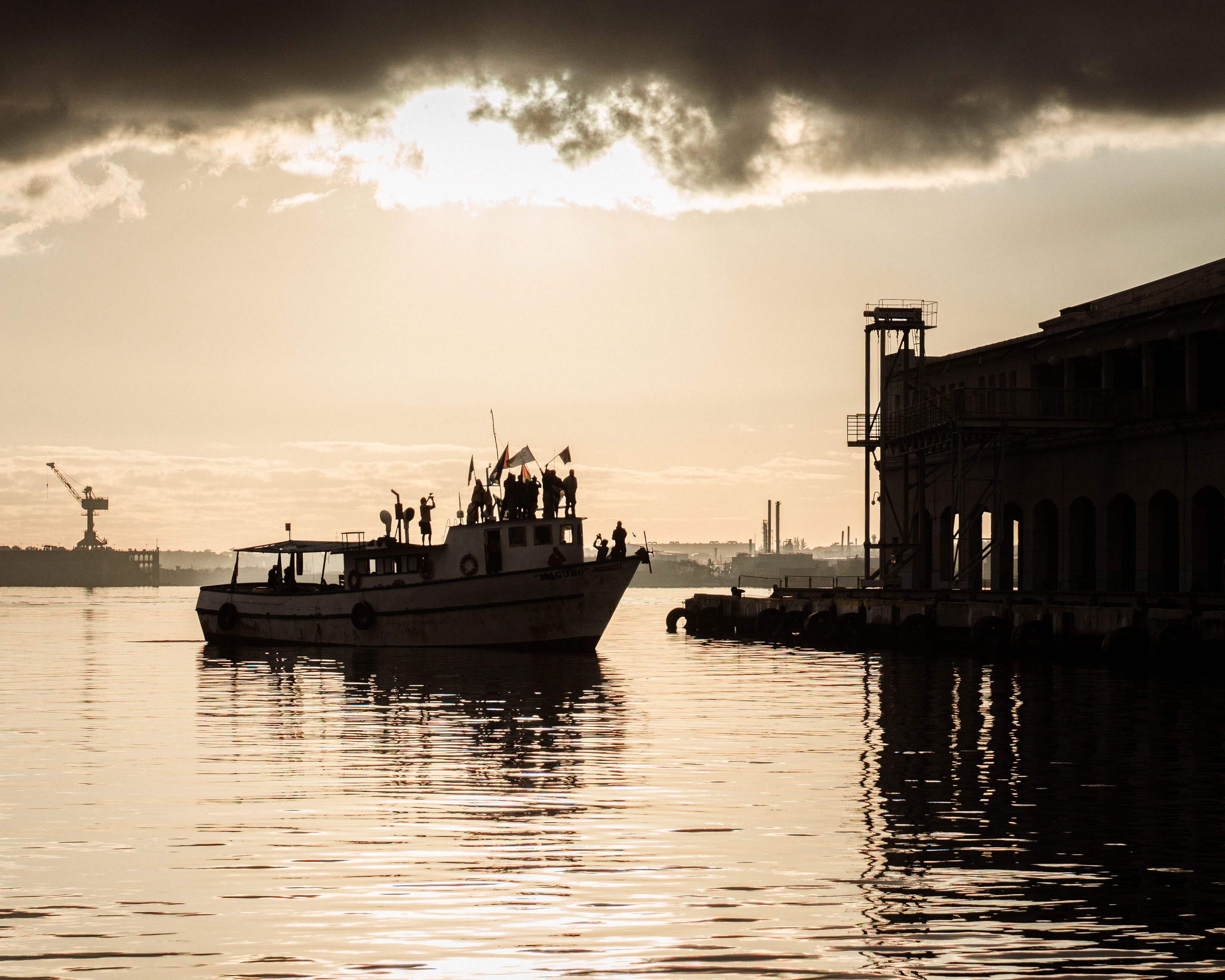
A boat carrying humanitarian aid arrived in the Port of Havana on Tuesday morning, the first of three traveling as part of the ‘Nuestra America’ (Our America) humanitarian flotilla.
The aid convoy brought medical supplies, food, and solar panels to Cuba, which faces a mounting humanitarian crisis amid a total oil blockade imposed by the US beginning in January.
The boat departed from Mexico on Friday and was part of a broader convoy convened by a coalition of leftist organizations, including the organizers behind the Global Sumud Flotilla which attempted to deliver aid to Gaza last year.
Shortly after sunrise, the 75-foot Maguro shrimp boat made its ceremonial arrival in Havana, despite having docked in darkness in the early hours. It was originally due to land on Saturday but was delayed by adverse weather conditions in the Caribbean Sea, according to organizers.
Two more ships, also delayed, are due to arrive in the coming days.
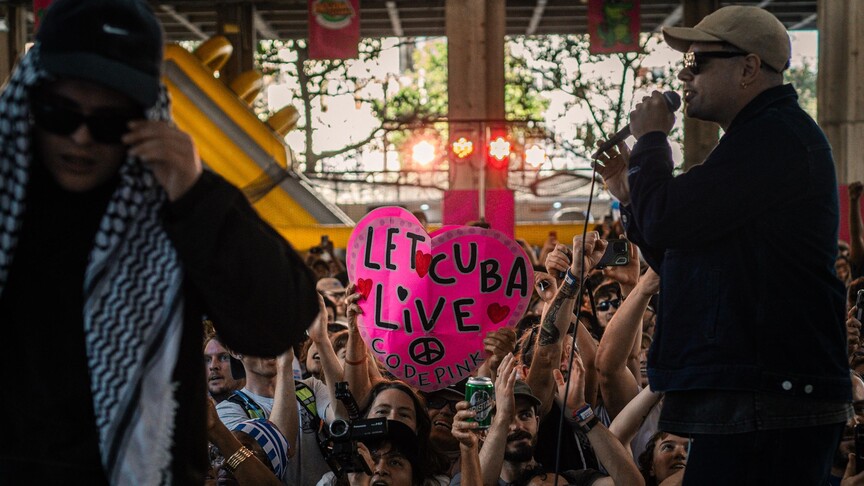
As the boat sailed into the harbor, members of its crew stood atop the stern and led chants of “Let Cuba live” and “Abajo el bloqueo” (Down with the blockade). A voice on a loudspeaker from the harbor chanted “Viva la revolucion” (Long live the revolution).
“We came to show solidarity with the Cuban people in this very difficult moment with the intensification of the blockade by the United States,” Saul Vega, 23, a Mexican activist who traveled on the boat, told Anadolu.
No oil deliveries since January
The US imposed the blockade in January after its forces raided Venezuela and captured former President Nicolas Maduro. Washington then blocked Venezuelan oil shipments to Cuba and threatened tariffs on any countries that delivered oil to the island, forcing nations like Mexico to suspend deliveries.
Cuba has not received any oil since January, according to President Miguel Diaz-Canel. The island produces oil domestically, but that production only satisfies some 40% of the country’s needs.
As a result, fuel prices have soared, reaching as much as $10 on the black market and paralyzing much of Cuba’s transport.
The country’s electricity system has also struggled to cope, with temporary power outages a daily occurrence for most Cubans and national blackouts increasingly frequent.
Last week, the country experienced two nationwide blackouts.
“We’re bringing solar panels (and) bicycles to help in these problematic times for the Cubans,” said Vega.
A few dozen Cubans watched as the boat sailed into the harbor.
“It’s the best thing to happen to us in these difficult times. Challenging the blockade … unjustly imposed by the United States,” said Ernesto Sanchez, a Cuban who was waiting in the port as the boat arrived.
“Just by looking you can see the situation – with the fuel, the energy system, and everything else – has impacted us quite a lot,” he added.
But others, such as Havana resident Carlos, were skeptical, saying the aid is unlikely to make a material difference and would not resolve “the structural internal problems of the country.”
‘This is mass punishment’
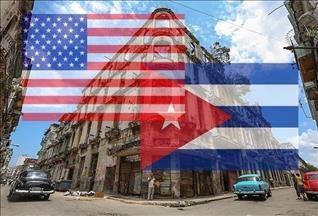
The US has maintained a decades-long economic embargo on Cuba, targeting its communist government but also reshaping the island’s economy and access to global markets.
Over time, the restrictions have expanded into a broad financial and trade blockade, leaving Cuba struggling with energy shortages, inflation, and poverty.
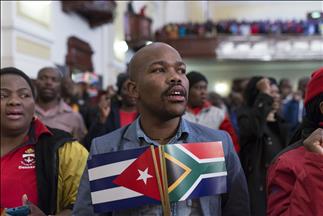
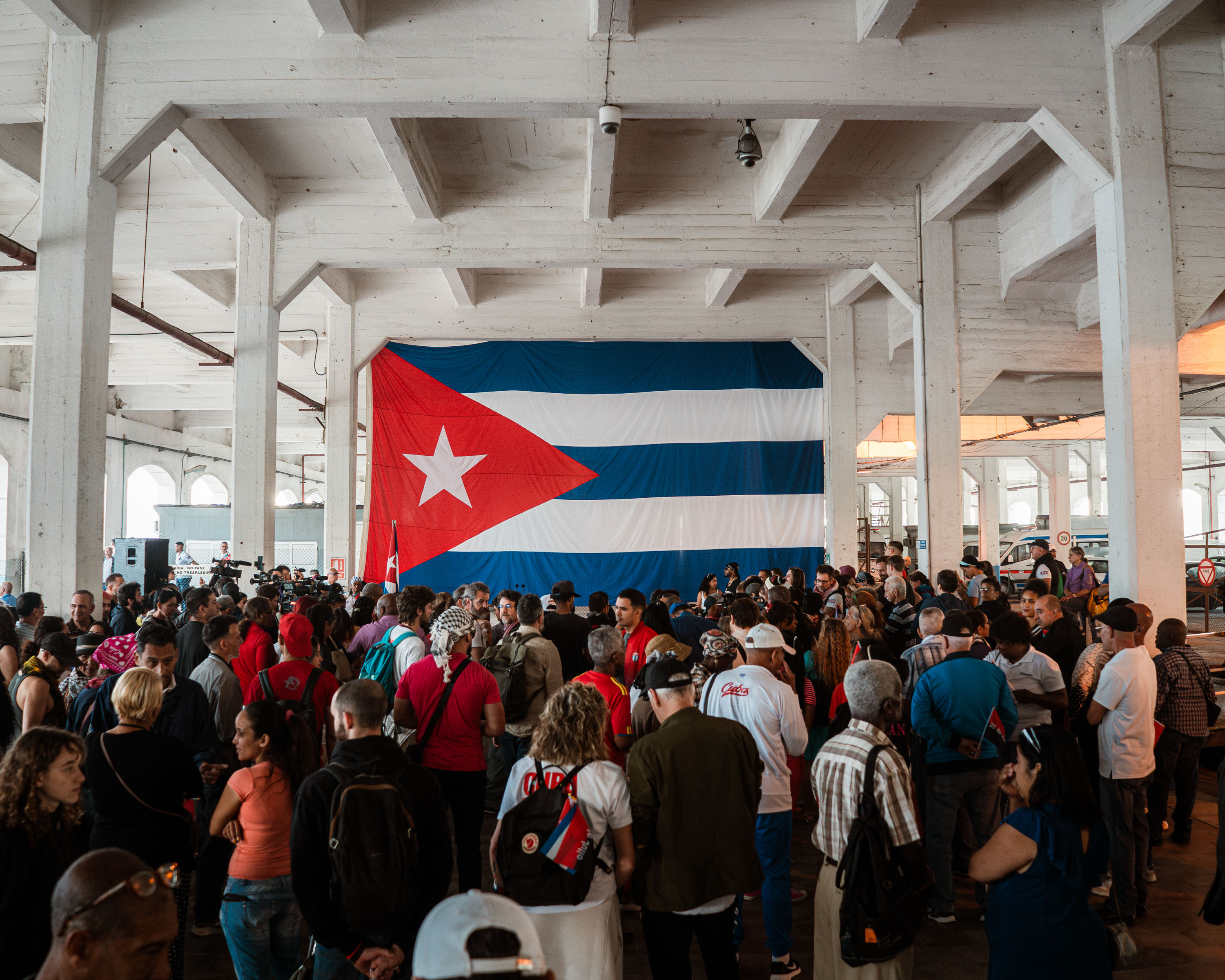
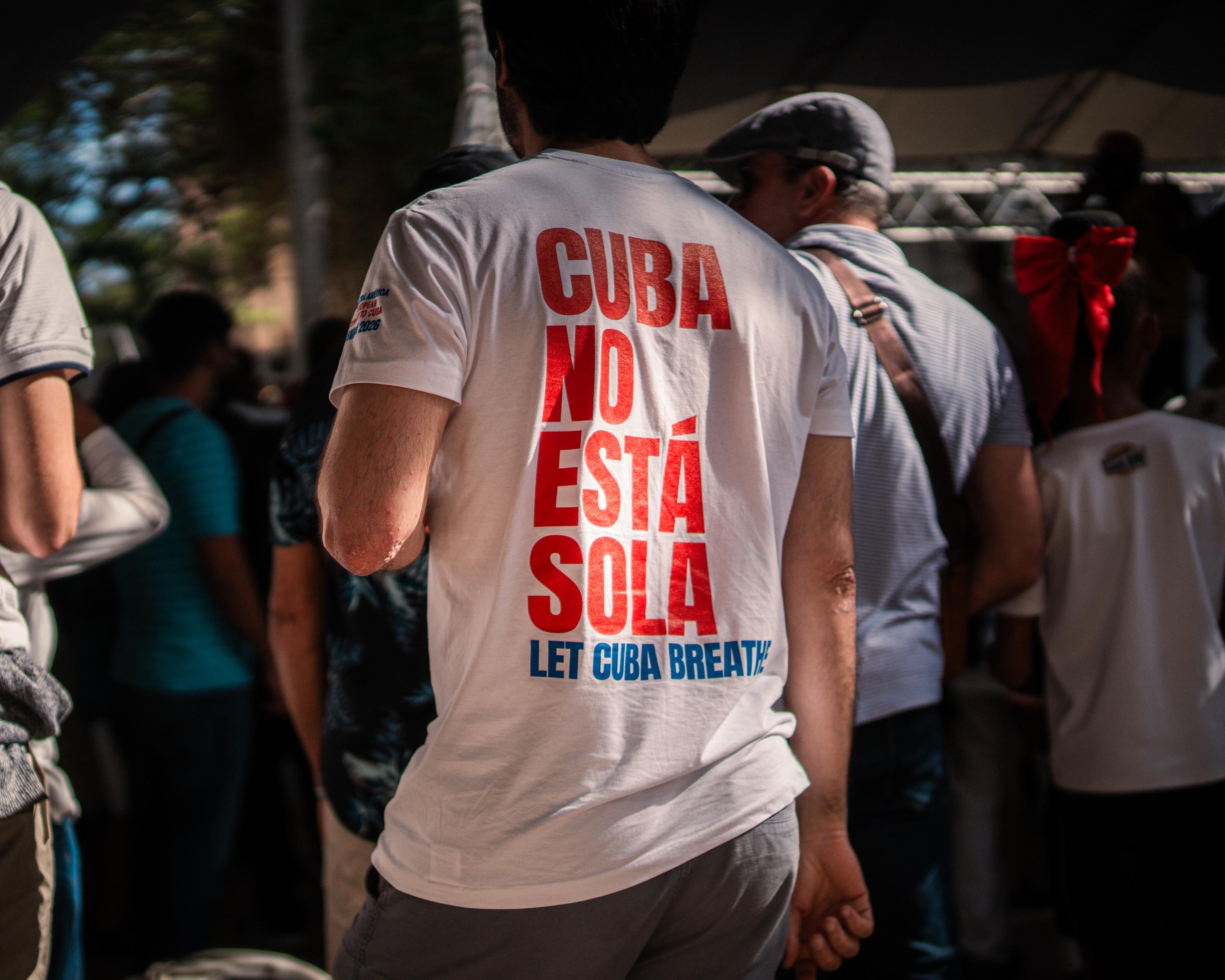
The flotilla joined hundreds of other activists who had travelled to Havana by plane as part of the Nuestra America convoy, including members of leftist organizations, pro-Palestine activists, influencers, and students.
“I think that my country is imposing an illegal blockade against Cuba and that this is mass punishment,” said Susan ‘Zue’ Jernstedt, a US Army veteran and member of About Face, an organization of veterans against war.
“This should not be going on. International solidarity is required to … show that our governments are not going to be the controllers of this narrative.”
Washington has been directly threatening Diaz-Canel’s government over the past few months, with President Donald Trump saying as recently as last week that the US would take over the island.
“Whether I free it, take it – think I could do anything I want with it. You want to know the truth. They’re a very weakened nation right now,” Trump told reporters at the White House on March 16.
While Diaz-Canel had confirmed negotiations with Washington earlier this month, Cuba’s Deputy Foreign Minister Carlos Fernandez de Cossio responded to Trump’s latest threat by saying that the country was preparing for possible US military aggression.
Now, as US pressure and intimidation grow, Cubans are stressing their nation’s resilience.
“We will stand strong despite the challenges and the bad times. We have always remained standing. We always prevail against any bad situation,” said Sanchez.