Islamuddin Sajid
06 August 2026•Update: 12 August 2026
Pakistan on Wednesday said it is making "all-out" efforts, in collaboration with regional partners, to revive the long-stalled direct talks between the US and Iran to end their months-long war.
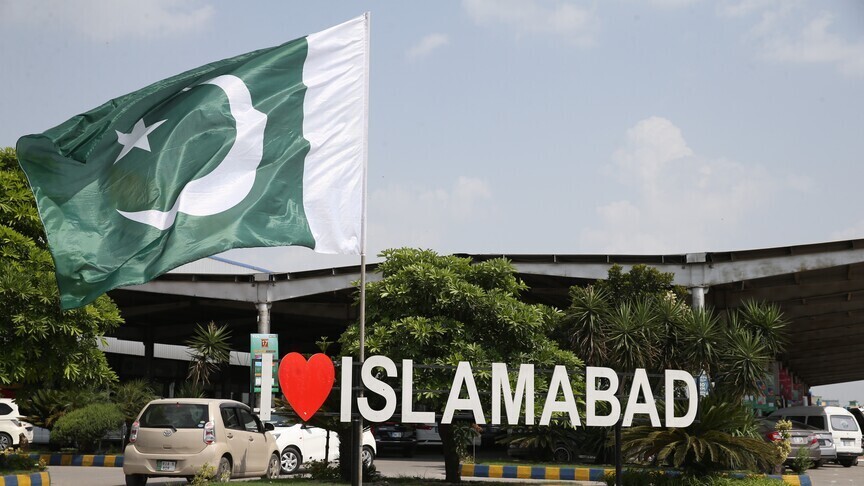
“Pakistan is making all-out efforts to bring the two parties to the negotiating table and the Islamabad MoU and pave the way for peace and stability in the region,” Foreign Ministry spokesman Tahir Andrabi told a weekly news briefing in the capital Islamabad.
Pakistan, he added, remains engaged alongside “brotherly states” in “sincere efforts” to work toward a resolution to the crisis.
Islamabad will continue to “offset spoilers using direct and indirect channels” and ensure the continuation of constructive dialogue to resolve outstanding issues, he maintained.
Andrabi said Islamabad has invited Iran's foreign minister and parliament speaker to visit Pakistan, with the trip expected to take place on mutually convenient dates.
He said broader peace talks in Islamabad could be held whenever the parties are ready to resume dialogue, adding that Pakistan has not closed the door to further negotiations.
With the 60-day deadline approaching, Andrabi said Islamabad hoped the period could be extended if the parties remained committed to dialogue.
“The 60-day deadline is approaching soon. We hope that when the intention to engage in dialogue is there, this deadline can always be extended,” he told reporters.
“But we hope that even if the deadline is not implemented, an extension will eventually take place, and the parties will revert to dialogue,” he added.
Andrabi said the framework for follow-up negotiations already exists in the Islamabad Memorandum of Understanding and the Pakistan-Qatar Joint Statement.
Commenting on Interior Minister Mohsin Naqvi's visit to Iran, he said the trip was intended to discuss bilateral relations, security issues and regional developments, notably peace and stability in the region.
Naqvi, who came to Tehran on Tuesday, met with Iranian President Masoud Pizishkian, Foreign Minister Abbas Araghchi and other dignitaries to explore how to resume the stalled direct talks with Washington.
The interior minister, along with Prime Minister Shehbaz Sharif and Chief of Army Staff Field Marshal Syed Asim Munir, has been actively involved in the mediation process.
The US and Iran signed a memorandum of understanding on June 17 and launched negotiations toward a final agreement. However, the talks later stalled over disagreements on security guarantees and freedom of navigation through the Strait of Hormuz, one of the world's most strategic routes for global energy supplies and trade.
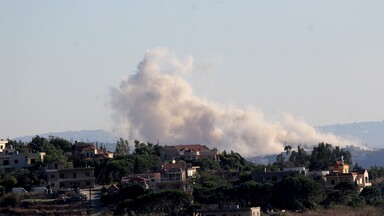
Between July 8 and July 24, the US and Iran exchanged military strikes, with Washington launching attacks on targets inside Iran and Tehran responding by striking what it described as US military facilities and equipment in several Arab countries, including Jordan, Bahrain and Kuwait.