By Michael Hernandez
WASHINGTON
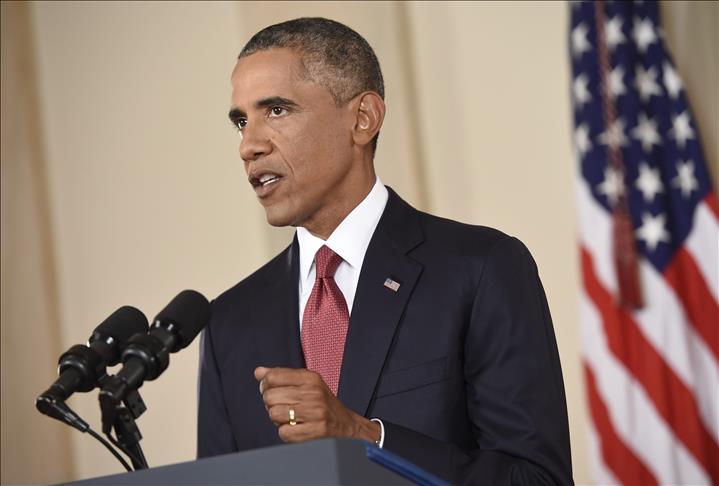
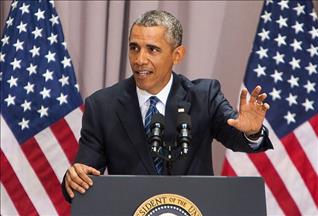
President Barack Obama urged Congress on Tuesday to approve emergency funding to combat Ebola before lawmakers adjourn later this year.
His call comes a day after the second Ebola-related death in the U.S. was recorded. Dr. Martin Salia, a surgeon who contracted the disease in Sierra Leone, died Monday in a Nebraska hospital after being rushed there for treatment over the weekend.
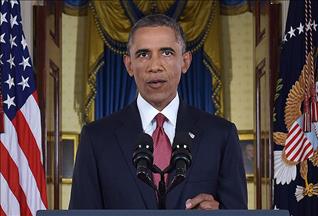
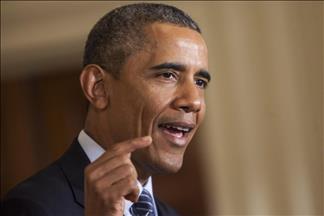
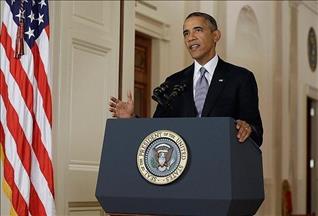
“Although we should feel optimistic about our capacity to solve the Ebola crisis, we cannot be complacent,” Obama told reporters following a meeting with his national security and public health teams. “We have to stay with it, and that’s why I’m calling Congress to make sure that it approves, before it leaves, the emergency funding request that we’ve put forward.”
The administration requested an additional $6.2 billion in emergency funding from Congress last Wednesday to strengthen the U.S.’s public health systems, and its efforts to combat the disease in West Africa.
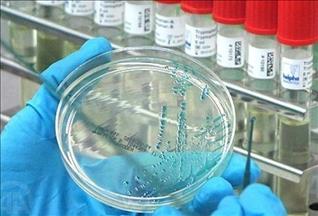
Obama said the additional funds will also accelerate testing and approval of Ebola vaccines and treatments, and will help vulnerable countries to "prevent, detect and respond to" future outbreaks of communicable diseases.
"The more we can catch these things early, where they begin, the less risks we have over the long term," he said.
The Ebola epidemic roiling the region is the largest outbreak in history. There have been more than 14,000 recorded cases with over 5,000 total deaths, according to the Centers for Disease Control and Prevention.
Obama said that the region is “nowhere near out the woods” referring to the health crisis.
He added that while progress has been made in some parts of Liberia, where the U.S. has the lead in the health response, cases continue to rise in Sierra Leone where he said British efforts are nonetheless "excellent." Liberia, Sierra Leone and Guinea are the three regional countries hardest hit by the outbreak.
"Given that it has emerged as such a large significant outbreak in these areas, and we recently saw some cases in Mali, it underscores how important it is to continue to push forward until we stamp out this disease entirely in that region," he said.
www.aa.com.tr/en