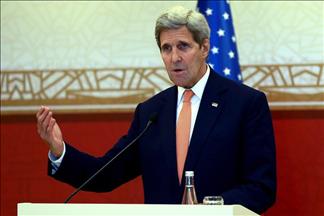
Iran, US, EU continue nuclear talks
Senior envoys of Iran, the United States and the EU hold talks in Muscat, Oman for the future of Tehran’s nuclear program.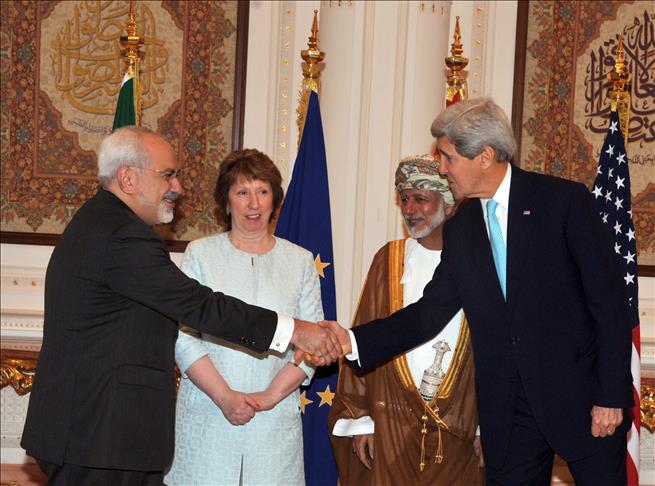
MUSCAT
Iran, the U.S. and the EU will meet again on Monday in Oman for a comprehensive deal on Tehran’s nuclear program, as the Nov. 24 deadline for the formal negotiations between Iran and Western nations looms.
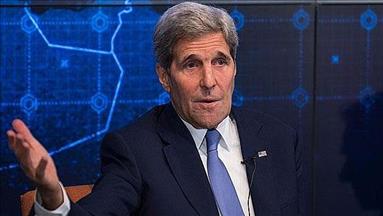
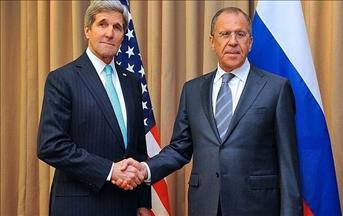
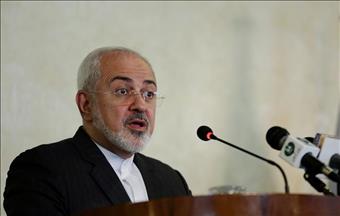
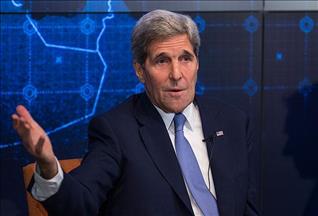
Iranian Foreign Minister Mohammad Javad Zarif, U.S. Secretary of State John Kerry and EU nuclear coordinator Catherine Ashton are holding talks in the Omani capital of Muscat to overcome differences on uranium enrichment and sanctions relief.
Ahead of the nuclear talks, the Iranian foreign minister made a statement in the Omani capital, playing down Western sanctions on his country, according to a report by Iran’s official IRNA news agency.
Zarif called the sanctions “illegal” and said they “have not produced any positive result.”
Western countries maintain that Iran is secretly developing nuclear weapons in its uranium enrichment program.
Foreign Minister Zarif said Iran believed that a deal could be reached if Western states have the political will to do so.
Meanwhile, 200 right-wing deputies in Iran demanded removal of all economic sanctions imposed on Iran in a written statement that they released.
In their statement, they also said they would never accept any limitations by the West on their research and development of uranium enrichment.
Speaking to Anadolu Agency, Iranian presidential advisor Hesamoddin Ashena said, “If expectations of both sides are met, they will reach a deal, which will shape the future.”
Ashena also said that the nuclear talks are directed by Iran’s supreme leader Ayatollah Ali Khamenei.
Meanwhile, Israeli Prime Minister Benjamin Netanyahu told his cabinet on Sunday that his government would not accept any agreement that recognizes Iran as a nuclear state.
Netanyahu asked for the U.S. and the EU to do everything -- during the talks -- to prevent Iran from having nuclear weapons.
On Wednesday, Kerry said in Paris that the November 24 deadline for concluding Iranian nuclear negotiations will not be extended.
On the other hand, Iran is not responding to questions about its nuclear activities, said a report from the International Atomic Energy Agency released on Friday.
The country is two months late with answers to questions in the continuing agency inquiry into suspected nuclear weapons research.
The delayed response may have a negative impact on the negotiations between Iran and the group of countries comprised by United States, Britain, China, France, Germany and Russia, also known as the P5+1, according to the report.