By Aamir Latif
BANNU, Pakistan
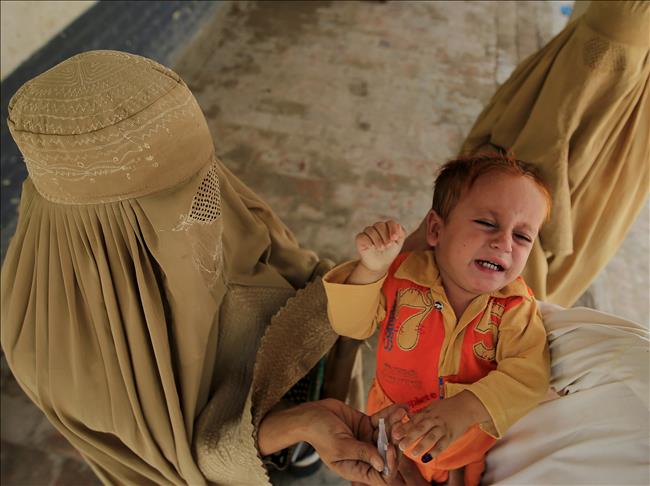
Lying on a wooden bed, with his panicking mother propped on a small bench by his side, seven-year old Gulrez Hassan is being treated for gastroenteritis. He contracted the stomach infection after a month of living in squalid, unhygienic conditions.
Surrounding Gulrez at the district hospital in northwestern Pakistani city Bannu are scores of other children, elderly men and women lying on beds in a large hall. Some suffer from the same stomach condition as him, others from diarrhoea, or malaria, or skin conditions fostered in unhygienic conditions and extremely hot weather.
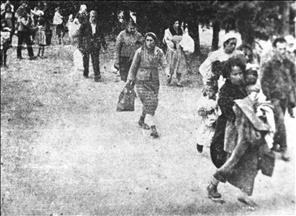
Gulrez’s family is just one of the thousands who have taken refuge in this rugged city, to escape an ongoing military operation in their neighboring home, militancy-plagued North Waziristan, where the army hopes to eradicate the Pakistani Taliban. A bulk of the migrants are either lodging with relatives or in rented houses. Only a few have chosen to settle in a sprawling government shelter camp just outside Bannu.
Polluted water, poor sanitation and hot weather have added to the miseries of more than 900,000 internally displaced -- of which around 383,000 are children -- in the form of diseases and infections.
Hundreds of children have been admitted to four major hospitals in Bannu in the last week and a half, leaving paramedics struggling to deal with the sheer number of patients.
“Most of the children brought here are suffering from gastro, diarrhoea and acute respiratory infections as their stomachs could not digest the food and water they are being provided with,” says Dr Fayyazuddin Khan, a doctor at Bannu district headquarters hospital. “Many of them are malnourished as well because they are not getting ample food here.”
Disease is spreading even among those settled with friends and relatives. They find themselves cramming, on average, 25 to 30 people into two-bed houses. “It is very hard to maintain hygiene when 10 to 15 people are living in a single room,” says Dr Khan.
Many parents tell doctors they can only provide their children with food once a day because of the financial restrictions. A large number of the displaced cannot buy food at all, relying instead on relief organizations or their hosts -- who often struggle themselves. Many complain government-allocated rations are not enough for the traditionally large tribal families common in North Waziristan.
“It’s not that I have to feed my wife and children. My younger sisters, brothers, and my parents are also my responsibility,” says Dildar Khan, a resident of North Waziristan's main town Miranshah. “Therefore, we have been using rations very carefully.”
Once a day, Dildar's wife cooks food that the family eat for both Sehri, the early morning pre-fast meal, and dinner.
Dr Khan says this food, which often becomes spoiled in the hot weather, is a major cause for the stomach-related diseases many of the displaced are suffering from.
“We have been advising the parents to provide fresh food to their children but many of them respond to us with a helpless smile.”
www.aa.com.tr/en