11 May 2016•Update: 11 May 2016
By Ainur Rohmah
TUBAN, Indonesia
Indonesia’s president confirmed Wednesday that four nationals held hostage in the southern Philippines for nearly a month had been released.
"Thank God, finally the four Indonesian citizens taken hostage by armed groups… have been released. They are in good condition," kompas.com quoted Joko Widodo as saying at the presidential palace in Jakarta.
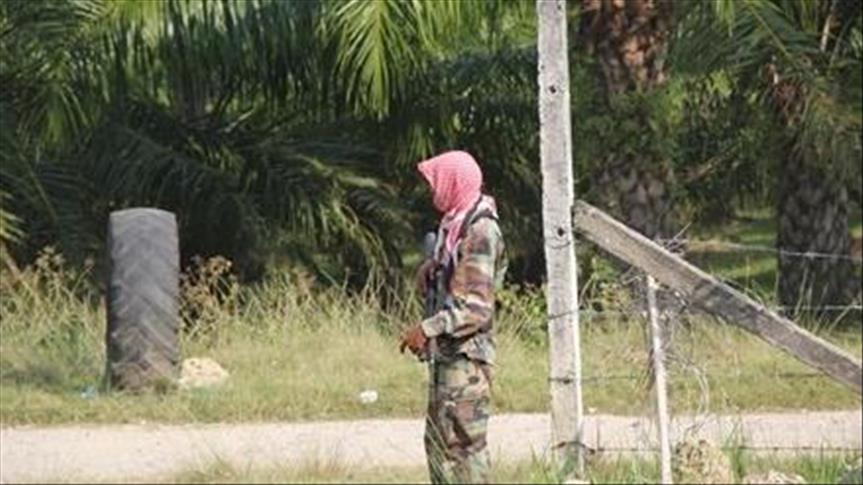
Earlier this month, the Daesh-linked Abu Sayyaf militant group had released 10 other Indonesian sailors, turning them over to the governor of the Muslim majority southern Philippine province of Sulu.
Indonesian authorities have insisted that the government did not pay a 50 million peso ($1 million) ransom demanded for the release of the 10 men, who had been seized off the Philippines’ Tawi-Tawi island province in late March.
Their release came six days after the Abu Sayyaf beheaded a Canadian hostage, 68-year-old John Ridsdel, after a 300-million pesos ($6 million) ransom failed to be paid.
"I thanked the Philippine government for providing excellent cooperation in the double release of the hostages," Widodo said, adding that the four men freed Wednesday would be returned to Indonesia shortly.
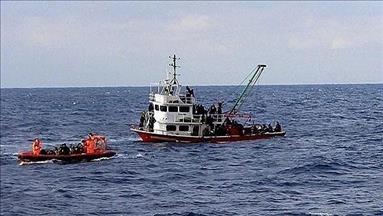
Last week, Indonesia agreed to hold joint patrols with the Philippines and Malaysia following a trilateral meeting to address the recent hijacking and kidnapping incidents in the region’s waters.
In early April, Filipino gunmen also abducted four Malaysian crew from a vessel off the Malaysian state of Sabah, whose eastern coast is located just around 50 nautical miles from the southernmost Philippine island of Sitangkai.
The Abu Sayyaf is believed to still be holding several captives, including a Canadian, a Norwegian and a Filipino woman seized in September and a Dutch national kidnapped more than three years ago in Tawi-Tawi.
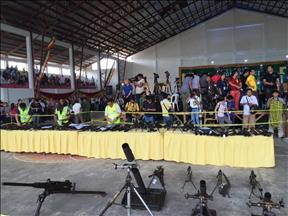
Since 1991, the group -- armed with mostly improvised explosive devices, mortars and automatic rifles -- has carried out bombings, kidnappings, assassinations and extortions.
It is notorious for beheading victims after ransoms have failed to be paid for their release.