ANKARA
By Muhammed Bilal Kenasari
Using the soft power of the state when governor of two eastern Turkish provinces makes newly appointed Turkish Interior Minister Efkan Ala’s appointment last month a positive move for Kurdish peace process, says veteran Kurdish politician Kemal Burkay.
As governor in Batman and Diyarbakir for five years, Ala gained a reputation for building alliances instead of "pushing more violence to the region" said Burkay.
Ala represented the state during a very critical time, when the conflict between the Turkish state and PKK was at its highest says Burkay.
“He was not a traditional governor for the region. It is not easy to implement state policies in such places, where almost everyday the funerals of at least ten Turkish soldiers and Kurdish militants were being held" he adds.
Having Efkan Ala in southeastern Turkey, was a big opportunity for Turkish and Kurdish relations.
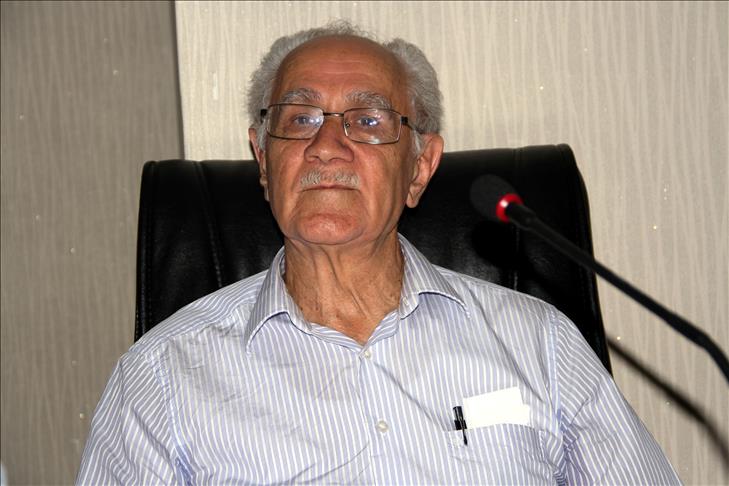
"When Efkan Ala was appointed from Batman to Diyarbakir, over five hundred cars were following his car to salute him, which is not normal here, because, in that region, most people only talk about politicians in a derogatory way" says Kurdish intellectual, Orhan Miroglu from Strategic Thinking Institute (SDE).
Originally from Erzurum, a province in the north east of Turkey, Ala graduated from Istanbul University in 1987 with a degree in political science. His early career, before becoming the governor of Batman in 2003, was spent as a civil servant mainly in the west and north of Turkey.
Turkish Prime Minister, Recep Tayyip Erdogan has made significant concessions for Kurdish people, says Miroglu "for the first time a prime minister used the word ‘Kurdistan’, and brought back some important people to Turkey, like the exiled famous Kurdish singer Siwan Perver".
Erdogan last year unveiled a 'democratization package' of reforms to extend political rights for Kurds. The reforms ensure better accountability for hate crimes and discrimination, and addresses Kurdish demands for education in the mother tongue, among other amendments.
."None of the Kurdish political parties were able to survive more than three years until late 2000s, because Constitutional Court in Turkey used to close them down. Kurdish intellectuals were always followed by secret services, and they couldn't contact with media. However, after Hakan Fidan’s appointment as intelligence chief (MİT), Kurdish solution process have taken serious steps," said Miroglu.
Ala, although not a member of parliament, has always been involved in politics, says Murat Yimaz, representative of one of Turkey's leading think tank organizations- Strategic Thinking Institutions.
One important person who worked towards Kurdish peace process was former justice minister, Sadullah Ergin. He left the cabinet after becoming candidate for mayor in his home province of Hatay. But Efkan Ala as "someone who brings a solution to the table" is a good replacement says Yılmaz indicating that Ala would act as the key cabinet minister on solution process.
englishnews@aa.com.tr