By Okech Francis
JUBA
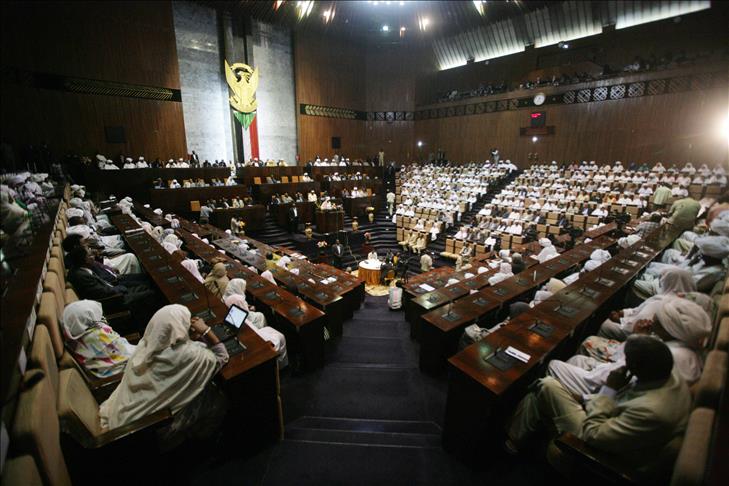
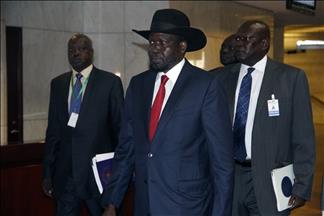
South Sudan's parliament on Tuesday extended President Salva Kiir's term in office by three years.
Some 227 members of the 332-member National Legislative Assembly (the lower house of parliament) voted to amend the constitution to allow an extension of Kiir's tenure from July of 2015 to July of 2018.
Only six MPs voted against the motion.
The Council of States (the upper house of parliament) also voted in favor – unanimously – of the extension.
"The [constitutional] amendment… was based on the democratic will of parliamentarians to extend the lifespan of the president's office and legislature for three years," assembly speaker Manasseh Magok Rundial said.
Kiir's term was due to end on July 9, which had prompted fears of a power vacuum in the fledging state.
Elections, initially slated for June 30, were cancelled in February after the government signed a preliminary power-sharing agreement with rebels.
Information Minister Michael Makuei described the extension of Kiir's term as a "great achievement."
"This is what the government has said, that we give peace a chance," Makuei told reporters.
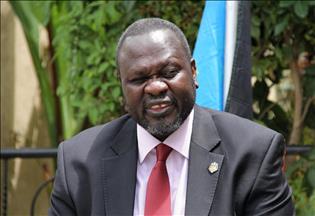
South Sudan, which became independent from Sudan in 2011, has been shaken by violence since late 2013, when Kiir accused Riek Machar, his sacked vice-president, of leading a failed coup attempt against his regime.
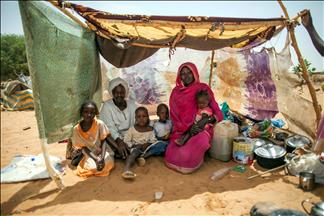
Tens of thousands have reportedly been killed in the subsequent violence, with some two million uprooted from their homes and 2.5 million at risk of starvation, according to recent UN estimates.
On-again, off-again peace talks in Ethiopian capital Addis Ababa have failed to produce a breakthrough between Kiir and Machar.
"This does not mean the end of the game. The government of South Sudan will continue to negotiate, and when peace is achieved, we will again amend the constitution," Makuei said.
"From now onwards, we will continue to negotiate peace without any problem, without anybody patting our back and saying your time is running out," he added.
Minority parliament leader Andigo Onyoti Nyikwac, however, was critical of the extension.
"This is unconstitutional because the constitution calls for a collective authority from the people, opposition parties and civil society," Nyikwac said during a hearing.