26 April 2016•Update: 28 April 2016
By Parach Mach
JUBA, South Sudan
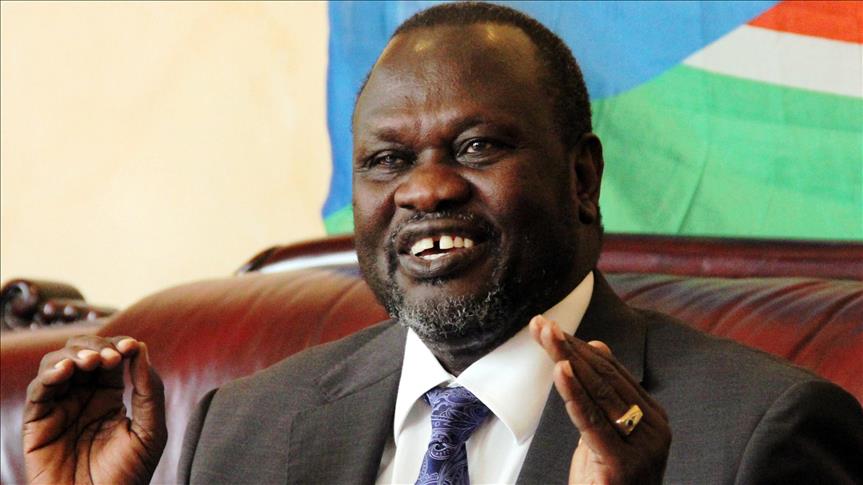
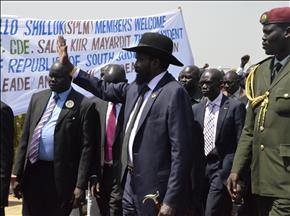
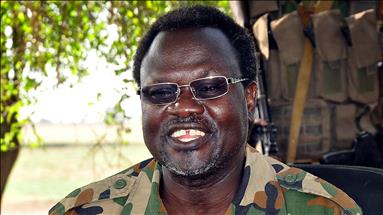
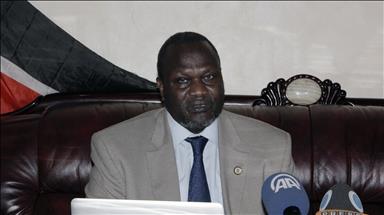
Former South Sudan rebel leader Riek Machar was officially sworn in as first vice president Tuesday, ending more two years of civil war.
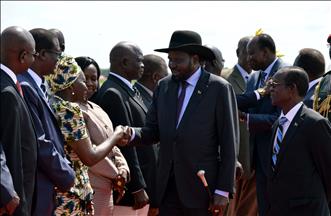
Machar returned to the capital Juba earlier Tuesday to take up his old job as deputy to President Salva Kiir, who will lead a transitional national unity government to bring peace to the world’s youngest nation.
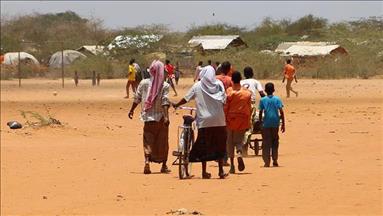
The conflict, which has seen tens of thousands killed and 2.4 million displaced, was sparked in December 2013 when Kiir accused Machar of mounting a coup against him.
Machar, who denied trying to overthrow Kiir, fled the capital and a cycle of retaliatory killings was set off that split the nation between the Neur and Dinka peoples.
Under a peace deal signed in August, a 30-month transitional administration will precede scheduled elections in 2018.
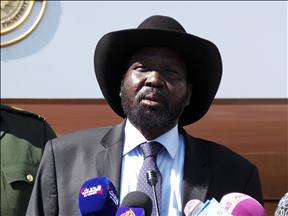
“The peace agreement will have challenges, particularly its implementation,” Machar said during his swearing-in. “I wish the security situation and the economy stabilize in the shortest possible time. This is a challenge and I hope the president sees it the same.”
He added: “I will cooperate with the president and I want to underline my desire [to] open a new page with the president, vice president and other institutions. I know it is difficult but if we have a political will, I know we will do it.”
Welcoming “my brother”, Kiir said Machar’s return to Juba “marks the end of the war and the return of peace and stability to South Sudan.”
Several deadlines to implement the peace treaty have been missed, the president added, resulting in a loss of confidence among the international community.
“Now that Dr. Riek has come and has taken the oath of office as the first vice president of the republic of South Sudan, we will immediately proceed to establish the transitional government of national unity,” Kiir said.
“This shall restore the confidence of our people and that of our international partners in our abilities as the leaders of this country to implement the agreement.”
Kiir also apologized to the “people of South Sudan for the situation we, the leaders, have created.”
Although a peace plan is in place, the conflict has created a number of militias outside the control of either Machar or Kiir who have little interest in laying down their arms.
South Sudan gaining independence from Sudan in July 2011 after more than 50 years of civil war.