By Barry Eitel with additional reporting by Michael Hernandez in Washington
SAN FRANCISCO
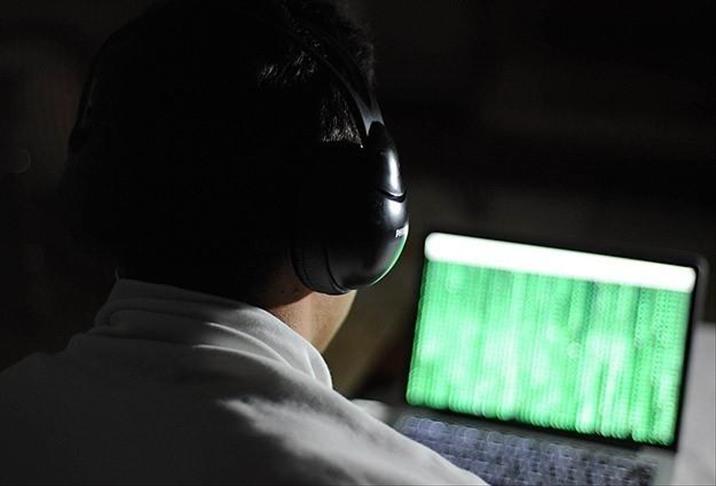
Newly leaked documents published Thursday show that the White House widened the National Security Agency’s covert warrantless surveillance program in the wake of an uptick of high profile cyberattacks in recent years.
The classified information was leaked by NSA whistle-blower Edward Snowden and published in The New York Times and the non-profit news outlet ProPublica.
The documents include two Justice Department memos from mid 2012 that instructed the NSA to begin searching Internet cables for information relating to hackings originated in foreign nations. The searches would occur within the United States and without the need for a warrant.
The agency used the permission to search for digital signatures that could lead to identifying suspects behind cyberattacks.
“Reliance on legal authorities that make theoretical distinctions between armed attacks, terrorism and criminal activity may prove impractical,” according to a freshly leaked classified report created by the White House National Security Council in May 2009.
Earlier this week, the Senate passed legislation curbing the NSA’s widespread surveillance of American phone records.
Snowden, who is still in exile in Russia, spoke at an Amnesty International event in London on Tuesday via a video. During his speech, he said the latest efforts to pass laws stifling the NSA’s snooping were promising, but didn’t go far enough.
“This is meaningful, it is important and actually historic that this has been refuted, not just by the courts, but by Congress as well and the president himself is saying this mass surveillance has to end," Snowden said. “For the first time in recent history we found that despite the claims of government, the public made the final decision and that is a radical change that we should seize on, we should value and we should push further.”
White House spokesman Josh Earnest told reporters Thursday that he cannot "talk in a lot of detail about any sort of covert government programs that may or may not exist.
"What I can tell you is that the director of national intelligence has been clear that the United States is facing a cyber threat that's increasing in frequency, scale, sophistication, and severity of impact. And there are a variety of tools that our national security and law enforcement professionals rely on to keep us safe," he said.
The latest leaks follow a series of high-profile cybersecurity breaches, including attacks on Sony Pictures Entertainment, Anthem health insurer and the Internal Revenue Service.