By Lauren Crothers
PHNOM PENH, Cambodia
An insurrection trial against 11 activists from Cambodia’s opposition party due to start Friday is based on “totally bogus” charges, a lawmaker said Thursday amid calls by a leading rights group for the case’s dismissal.
Cambodia National Rescue Party (CNHR) member Mu Sochua was one of four lawmakers arrested, jailed and then released following a violent clash at an opposition rally at capital Phnom Penh’s Freedom Park last July.
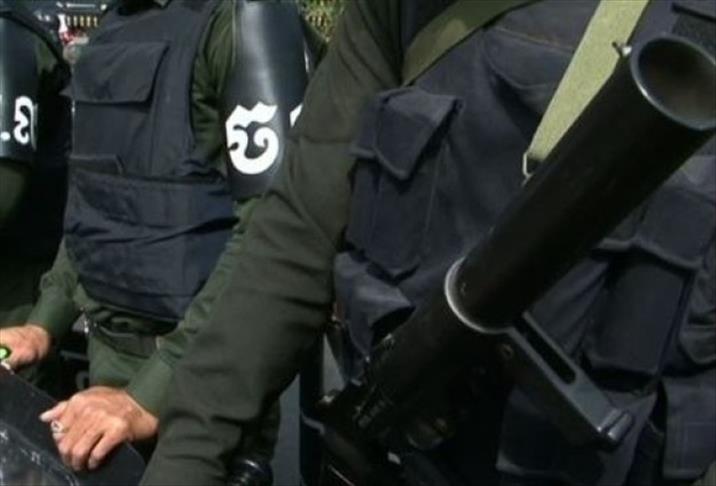
Since then, 11 party activists have been charged with insurrection, accused of plotting to use deliberate violence at the park, a designated rally site that government forces cordoned off for months last year after a series of post-election protests.
The trial was supposed to go ahead in February, but was delayed.
“[The charges are] totally bogus,” Sochua told The Anadolu Agency. “How can you do insurrection with a message of peace and non-violence, and with monks?”
Although six of the 11 were released on bail ahead of Friday’s trial, all the men face prison sentences of up to 30 years if they are found guilty.
But Sochua insisted that even that outcome would not affect the “culture of dialogue” that the CNRP and the ruling party have touted as a means of overcoming the opposition’s 10-month boycott of parliament last year -- which came after a dispute over the results of the 2013 elections.
“It is a political trial — we have said this all along,” she said. “We are hopeful that there will be a solution through the culture of dialogue.”
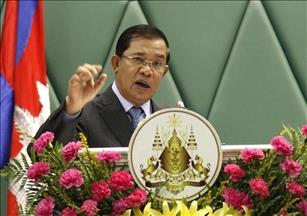
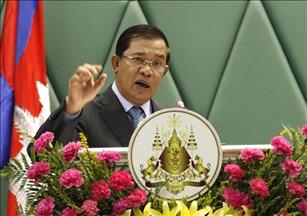
Meanwhile, Human Rights Watch said in a post on its website that the trial is part of a campaign of intimidation by Cambodia’s long-serving prime minister, Hun Sen, who is reputed for his penchant for silencing his critics.
“It is beyond absurd to call a political protest by a small unarmed group an ‘insurrection,’ but this is the ‘Alice in Wonderland’ world over which Hun Sen presides,” the post quoted the group’s Asia director Brad Adams as saying.
“The government is clearly not responding to the July 15 violence, but rather searching for ways to weaken the political opposition.”