17 April 2016•Update: 22 April 2016
By Kyaw Ye Lynn
YANGON, Myanmar
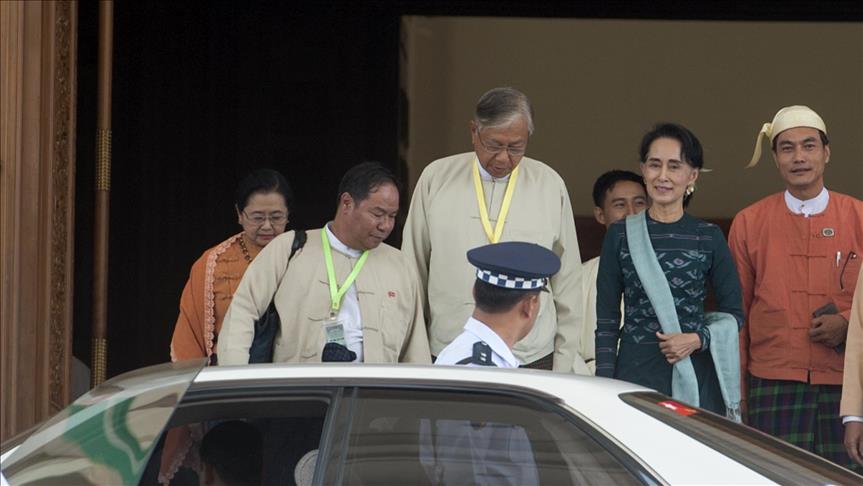
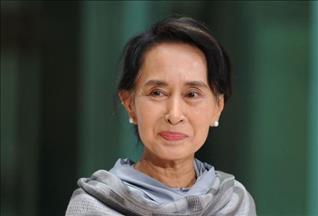
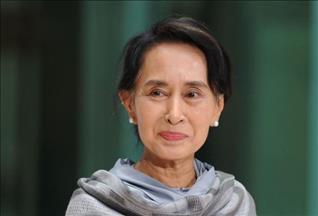
Myanmar President Htin Kyaw has pardoned 83 inmates amid efforts by the new Aung San Suu Kyi-led government to release political prisoners.
The amnesty was granted Sunday on the country’s New Year with “an aim to bring about national reconciliation and to ensure the peace of mind of the people,” according to a presidential order cited in state media.
Among those released were five local journalists convicted of "disclosing state secrets" and an official from Suu Kyi’s National League for Democracy (NLD), Htin Lin Oo, the Eleven newspaper reported.
The journalists had been sentenced to 10 years in July 2014 after their newspaper reported on the building of an alleged chemical weapons factory in central Magway region.
Htin Lin Oo was handed a two-year term with hard labor in June 2015 for his speech at a literary festival which a judge ruled -- following pressure from nationalist Buddhist monks -- had deliberately defamed the entire religion.
On April 8, the government freed 199 “prisoners of conscience”, including more than 60 student protesters and supporters who had been detained for over one year for a protest calling for academic freedoms.
Their release came a day after State Counselor Suu Kyi said the government was working on ways to grant amnesty to political prisoners and activists awaiting trial during the Thingyan New Year holidays.
An accompanying statement had called the release of prisoners of conscience a priority, saying that the NLD’s wide margin of victory in the Nov. 8 elections signified that the decision had been re-affirmed by the will of the people.
The NLD has long advocated for political prisoners.
A spokesperson for the president's office told Anadolu Agency earlier this month that the government was working to free all political detainees over the New Year break.
“We are working with the home affairs ministry to release the political prisoners who are still behind bars, and with the local authority and courts to close the cases against political activists and student protesters,” Zaw Htay said.
He warned, however, that it would take time.