YPG/SDF used Daesh prisons as ‘blackmail’ after stalling March 10 deal: Syria
'It's a shame that the SDF resorted to a blackmail method and dealt with those prisons in the way that they have led to the escape of these individuals,' says Syrian UN envoy
HAMILTON, Canada
Syria at the UN on Tuesday said the YPG/SDF terror group "stalled" the implementation of the March 10 agreement and used Daesh detention facilities as "blackmail" against their international partners.
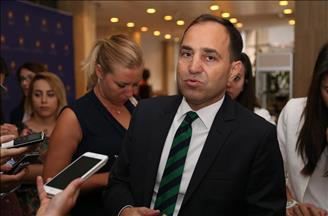
Ambassador Ibrahim Olabi said at a news conference at UN headquarters in New York that despite early optimism after the signing of the deal, progress had been deliberately delayed by the YPG/SDF terror organization.
"Everyone was optimistic, but since the signing of the 10th March agreement with the SDF procrastinated, unfortunately, in its implementation," Olabi said, adding that "the implementation of that agreement and the procrastination thereof was witnessed by the international community, particularly the United States."
"Given that it took a year without us moving forward, we unfortunately noticed that they were evading obligations and trying to buy time during that year," he said.
Noting that the prolonged delays contributed to unrest in SDF-controlled areas, he said, "The prolonged procrastination and the lack of willing to implement drove the local population in Raqqa, people who were oppressed by the SDF, to revolt against them."
He also added that "the vast majority of people who had to leave Sheikh Maqsoud and Ashrafieh (in Aleppo) went to other government-controlled areas rather than going to SDF-controlled areas."
Pointing to the difference between Kurdish rights and armed factions, Olabi said, "It is absolutely key to distinguish between a political military faction, which some have transnational links and transnational ambitions, and the rights of the Syrian Kurds."
Criticizing the YPG/SDF's handling of Daesh detainees, he stressed that "we were taken aback by the way that the SDF dealt with the anti-ISIS operation, the fact that they used it as a negotiation and leverage card against their very allies, threatening to leave prisons, threatening to leave camps where ISIS prisoners are detained."
Olabi emphasized that SDF's use of ISIS prisons is "a very dangerous national security, regional security and international security card against their partners from the international coalition."
On the prison escapes, he said, "It's a shame that the SDF resorted to a blackmail method and dealt with those prisons in the way that they have that led to the escape of these individuals."
The Syrian envoy also said his country had since regained control of most of the detention facilities and was working closely with coalition partners.
"We have regained control over the majority of those camps and the majority of those prisons, and will continue to work with the United States and our allies to ensure to fight terrorism in the most effective way," he said.
He welcomed a newly announced "mutual understanding" with the SDF, expressing hope it would be implemented smoothly so Syria could "focus on the future that we all want to build for all Syrians, regardless of their ethnicity and religion."