Tarek Chouiref
29 January 2026•Update: 03 February 2026
ISTANBUL
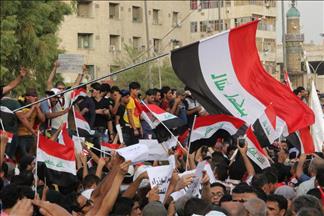
Iraq has entered a delicate phase following parliamentary elections on Nov. 11, with political factions racing to form a new government amid deep divisions within major blocs, unresolved disputes between parties and growing regional and international scrutiny.
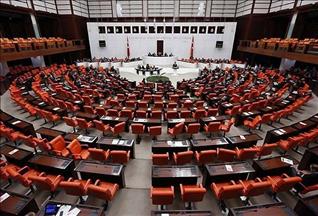
Preliminary results produced a fragmented 329-seat parliament, making coalition-building unavoidable. The Shiite Coordination Framework, which secured more than 175 seats, has declared itself the largest parliamentary bloc, granting it the constitutional right to nominate a prime minister but not guaranteeing political consensus.
Maliki’s controversial bid
On Saturday, the Coordination Framework formally endorsed former Prime Minister Nouri al-Maliki as its candidate for the premiership, a move that immediately reignited political tensions. Maliki, 75, led Iraq from 2006 to 2014, a period marked by sectarian polarization and a security collapse that preceded the rise of the ISIS (Daesh) terrorist organization.
His nomination has faced organized resistance from Sunni political forces, who associate his tenure with marginalization and instability, while Kurdish parties have adopted a cautious stance amid their own unresolved negotiations over the presidency.
Internationally, the bid triggered an unusually blunt warning from US President Donald Trump, who threatened to reconsider Washington’s support for Baghdad should Maliki return to office. Maliki rejected the remarks as “blatant interference,” framing them as “a violation of Iraqi sovereignty,” but the episode heightened concerns within Iraq over potential political and economic fallout.
Cracks inside the Coordination Framework
Despite the official endorsement, divisions persist within the Shiite alliance itself. Several influential factions have expressed reservations, stressing the need for a prime minister capable of maintaining balanced foreign relations and insulating Iraq from external pressure.
These internal rifts reflect growing recognition that numerical strength alone may be insufficient to form a stable government in the current regional and international climate.
Alternative names in circulation
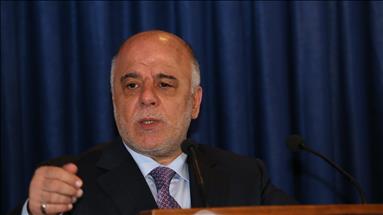
Alongside Maliki, former Prime Minister Haider al-Abadi remains a prominent alternative. Abadi, who served from 2014 to 2018, is widely viewed as enjoying broader international acceptance and has experience managing relations with Washington during the war against ISIS, though his parliamentary backing is comparatively weaker.
Incumbent Prime Minister Mohammed Shia al-Sudani also remains part of the calculations. While not formally renominated, his tenure has been marked by cautious diplomacy and relative political calm, keeping him in contention should consensus around Maliki collapse.
Another name quietly circulating within the Coordination Framework is Hamid al-Shatri, head of Iraq’s National Intelligence Service. Al-Shatri is regarded as a non-controversial security figure with international credibility, particularly in counterterrorism cooperation, and is seen by some as a potential consensus option should a political deadlock persist.
Some voices within the Coordination Framework have also raised the possibility of turning to a compromise figure from the security establishment if negotiations stall, though such options currently lack organized parliamentary backing.
Kurdish deadlock and constitutional deadlines
Complicating the process, Kurdish parties have yet to agree on a presidential candidate. Parliament recently approved a final list of 19 contenders, including incumbent President Abdul Latif Rashid and Foreign Minister Fuad Hussein, but disagreements between the Kurdistan Democratic Party and the Patriotic Union of Kurdistan continue to delay a unified position.
Under Iraq’s power-sharing system, the presidency is allocated to a Kurd, the premiership to a Shiite and the speakership of parliament to a Sunni. The constitution requires parliament to elect a president within 30 days of its first session, a deadline that expires at the end of January.
What comes next?
Once a president is elected, he must task the nominee of the largest parliamentary bloc with forming a government within 15 days. The prime minister-designate then has 30 days to present a Cabinet and government program to parliament. Failure to secure confidence would force the president to appoint another candidate, prolonging political uncertainty.