JUBA
International aid agencies operating in South Sudan are warning of dire humanitarian consequences if urgently needed funds fail to materialize in coming weeks.
"The South Sudan Crisis Response Plan, which covers January to June 2014, is only 30-percent funded," Sue Lautze, head of the U.N. Food and Agricultural Organization (FAO) in South Sudan, told a Thursday press briefing at the U.N. compound in Juba.
"Of the $887 million shortfall in funding, $232 million is the bare minimum required for the next three months to avoid the humanitarian situation deteriorating sharply," she said.
"The needed funding will enable rapid response teams to provide life-saving aid – including food, health, nutrition, water and sanitation – to communities in hard-to-reach areas," the FAO official said.
"It will also enable agencies to pre-position relief in these areas ahead of the imminent rainy season, so that life-saving aid continues to be available to people during the second half of this year, when two thirds of the country becomes inaccessible by road," she added.
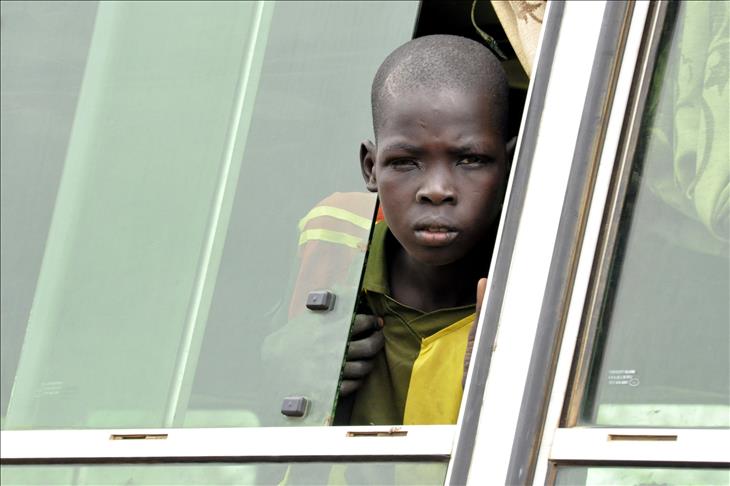
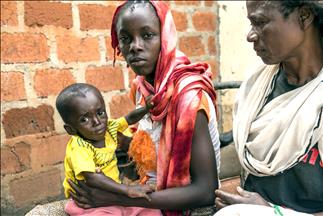
According to Lautze, almost one million people have been displaced by the conflict, including over 803,000 inside South Sudan.
"More than 90 percent of those displaced in the country are in open or rural settings. [They] often seek refuge in hard to access locations without food, clean water or shelter," she noted.
"If donor funding is not made available now, we will be unable to meet the most basic needs to keep people alive or prevent a catastrophic decline in food security for millions of people at risk later in the year," the FAO official warned.
South Sudan has been shaken by violence since last December, when President Salva Kiir accused sacked vice president Riek Machar of attempting to overthrow his regime.
The conflict has already claimed more than 10,000 lives, with the U.N. estimating that some 3.7 million people in the war-torn country were now "severely food insecure."
englishnews@aa.com.tr