AI data centers spur growing environmental concerns amid muddy water, noise pollution



Sustainability expresses ensuring change in a balanced environment where the use of natural resources, the direction of investments, the guidance of technological development, and institutional transformation are in harmony, and where the potential to meet human needs and desires is protected both for today and for the future. Sustainable development, on the other hand, refers to meeting today’s needs without damaging the ability of future generations to meet their own needs.
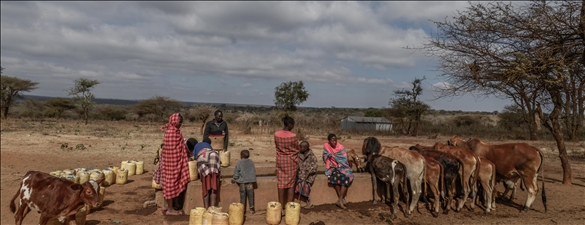
Ecology believes that sustainability is achieved through the balance of species and the resources around them, and that to maintain this balance, existing resources must not be consumed faster than they can be naturally replenished. It is important to recognize that resources are limited, and the long-term consequences of how they are used must be carefully evaluated.
Sustainability has three main components: environmental protection, economic development, and social development.
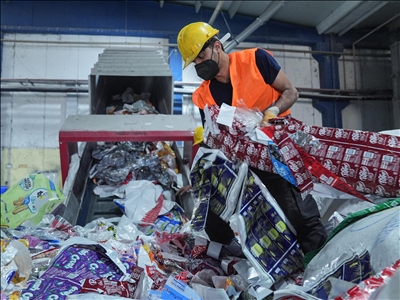
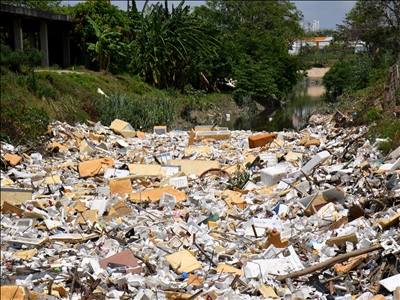
Environmental protection focuses on preserving the integrity and resilience of ecosystems through steps such as reducing the carbon footprint, ensuring sustainable use of resources in production, waste management, protecting biodiversity, saving energy and water, and recycling.
Economic development aims to ensure economic growth and increase welfare and prosperity while protecting resources. It focuses on concepts such as green investments, innovation and R&D, fair trade, sustainable financing, and circular economy.
Social development aims to achieve a satisfactory and sustainable standard in all areas of life, including social justice, equal opportunity, inclusiveness, education, health, public awareness, and gender equality.