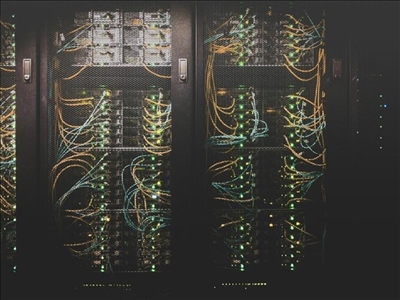
AI data centers spur growing environmental concerns amid muddy water, noise pollution


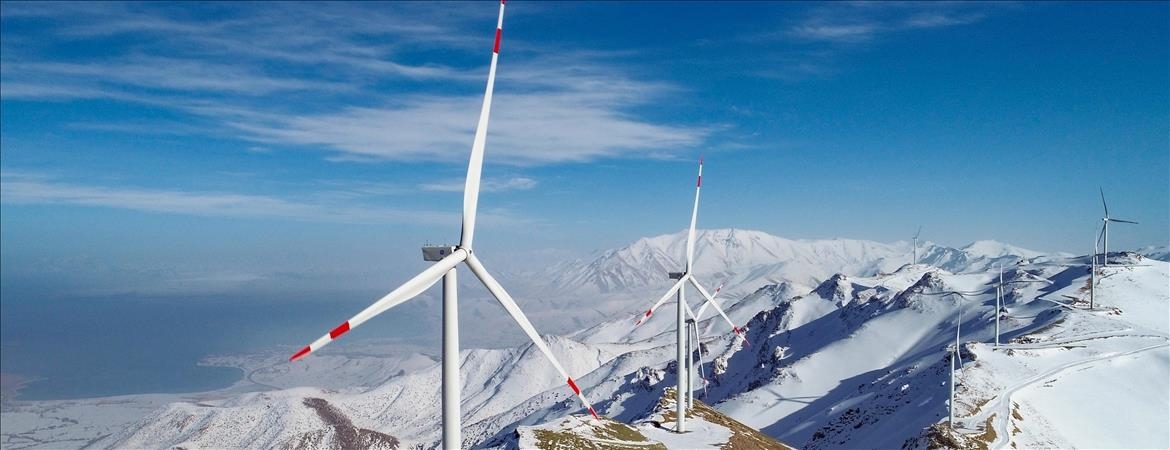
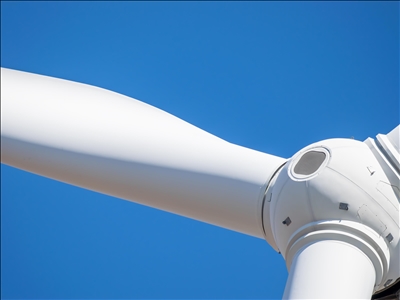
The main types of renewable energy include wind, solar, hydroelectric, and biomass energy (wood and wood waste, municipal solid waste, landfill gas and biogas, ethanol, biodiesel).
Unlike fossil fuels such as coal, oil, and natural gas, renewable energy does not harm the atmosphere by emitting carbon. Thus, it plays a key role in combating the climate crisis and achieving climate goals.
Advantages
Renewable energy is preferred because it directly converts natural resources into electricity and relies on resources that are essentially unlimited. Fossil fuels are more difficult and expensive to obtain. Unlike such fossil fuels, renewable energy sources do not cause damage to natural habitats.
The most important feature of renewable energy is that it does not cause any greenhouse gas emissions during energy production, making it truly clean energy. While fossil fuels contribute to air and water pollution, renewable energy sources do not cause such damage.
These energy sources are also favored because they enable cheaper energy production and offer numerous employment opportunities.
Disadvantages
The installation of renewable energy systems requires significant capital investment. In addition, since the production system depends on natural factors such as weather conditions, fluctuations in the amount of energy produced may occur. The storage of the energy produced is also one of the major challenges faced.
What is the current consumption of renewable energy?
Over the past two decades, there has been a significant increase in the use of renewable energy. For instance, the use of renewable energy in the US increased by 90% between 2000 and 2020.
According to the World Energy Balances 2021 report published by the International Energy Agency (IEA), renewable energy accounted for 14.9% of Turkey's total final energy consumption in 2019. As demonstrated in the Renewables 2021 Global Status Report, Turkey's ranking in terms of total renewable power capacity was 12th worldwide and 4th in geothermal capacity by the end of 2020, following the United States, Indonesia, and the Philippines.
The 2020 report by the IEA indicates that modern renewable energy sources (hydropower, biomass, solar, geothermal, biofuels, wind and ocean) accounted for 11.2% of the total final energy consumption in 2019. In the same year, 29% of the world's electricity generation was derived from renewable sources.
The IEA report also states that the development and use of renewable energy technologies will continue to grow at record levels in the coming years. However, for the world to achieve its net-zero targets, the uptake of clean energy must be accelerated, supported by stronger government policies and financial incentives.