UN-Habitat chief calls for participation in World Urban Forum for sustainable cities


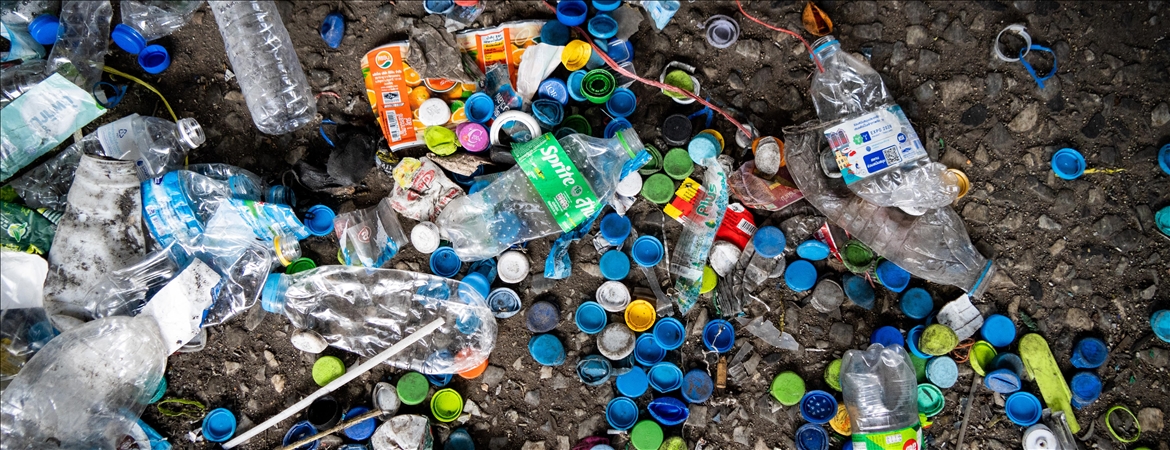
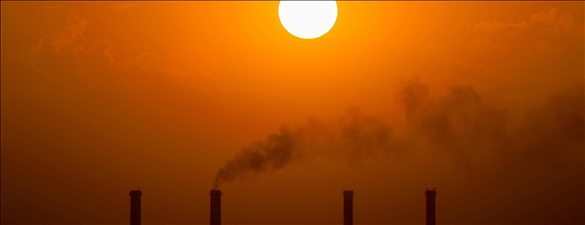
While the effects of climate change manifest in various extreme weather events, such as droughts, floods, wildfires, and extreme heat, plastic pollution generates persistent waste that accumulates rapidly both in managed systems and in the natural environment.
According to a study conducted by researchers at Imperial College London in the United Kingdom, there is a reciprocal relationship between plastic pollution and climate change driven by the overconsumption of limited resources.
More than 98 percent of plastics are produced from fossil fuels, and current production accounts for 12 percent of global oil consumption. The 1.8 gigatons of carbon dioxide equivalent emissions caused by plastics in 2019 correspond to approximately 3.7 percent of global greenhouse gas emissions. Moreover, the carbon footprint associated with plastic production has doubled since 1995.
While annual plastic production was below 2 million tons in 1950, it exceeded 400 million tons in 2023. More than half of the total 8.3 billion tons of plastic produced to date has been manufactured since 2002. Single-use plastics account for 35 percent of total production, making them the fastest-growing segment of manufacturing.
Although waste management practices such as reduction, reuse, and recycling are effective for glass, paper, and aluminum, they remain largely inadequate for plastics. Global recycling rates are around 76 percent for aluminum, 68 percent for container glass, and 32 percent for paper. Aluminum and glass can be recycled without loss of quality, while paper can be recycled to a limited extent, and recycling all of these materials requires less energy than producing them from scratch.
Plastics, however, degrade rapidly in quality and are in many cases not recycled, and high costs reduce global recycling rates to as low as 9 percent.
Link between plastics and the climate crisis
The impacts of climate change are causing plastics to spread over longer distances and at a faster pace.
High temperatures, sunlight, and humidity accelerate the breakdown of plastics into microplastics and nanoplastics, while rising temperatures also increase the release of chemical additives into the environment. Warming strengthens the adhesion of pollutants to plastics, enabling them to be transported across wider areas.
Following forest fires, heavy rainfall, floods, and storms, the amount of plastic released into the environment increases. During floods and erosion events, previously discarded plastics are remobilized from landfills, riverbeds, and coastal sediments, re-entering the environment and creating dangerous conditions.
Persistently stronger winds and changes in ocean currents and circulation patterns transport particles across surface waters, expanding their spread, while melting sea ice releases microplastics that were previously trapped, allowing them to enter the ocean.
Impacts of increasing plastic on living organisms
Higher temperatures influence both the amount of plastic ingested by fish and the levels of toxic substances associated with plastics. Corals respond differently depending on species and the level of climatic stress they experience, while shellfish such as mussels suffer digestive and immune system problems when exposed to microplastics in low-oxygen or acidic seawater. Warming increases capacity to ingest plastics for the fish, intensifying harmful effects. Large and long-lived species high in the food chain are also at serious risk due to the combined pressures of plastic pollution and the climate crisis.
Speaking to Anadolu about the link between climate change and plastic pollution, professor Filiz Karaosmanoglu from Istanbul Technical University said that end-of-life plastics that become waste cause biodiversity loss, environmental pollution, and climate change when they are not properly managed.
Stating that plastics can be produced from coal, oil, natural gas, and biomass, and that every plastic product contains carbon, Karaosmanoglu emphasized that the priority in waste plastic management should be preventing waste generation in the first place.
“Following the hierarchy of minimizing waste generation, reuse, recycling, upcycling, energy and material recovery, and disposal, plastic waste, given the technical reality that it is a raw material, must be processed without ever entering nature and must create economic value,” Karaosmanoglu said. “If this value chain is implemented in line with the cleanest production requirements, greenhouse gas emissions are reduced and the impact on climate change is mitigated. Plastic waste has no place in nature. In fact, the concept of plastic pollution should never have existed in our lives, yet it has now reached an alarming level.”
Stressing that the added value and employment potential of plastic waste within the circular economy were recognized late and only then incorporated into legislation and planning, Karaosmanoglu said that the real priority lies in the advancing of plastics within a true circular economy.
She explained the impact of efforts to reduce plastic pollution on the fight against the climate crisis:
“Reducing plastic pollution increases our success in saying ‘stop’ to the global temperature increase in the fight against climate change. According to United Nations data, more than 400 million tons of plastic are produced annually, half of which is single-use, yet less than 10percent is recycled. If we reduce the amount of plastic waste entering the seas by 80 percentby 2040, we can lower greenhouse gas emissions by 25 percent and strengthen our climate action. The core of climate action lies in achieving sustainable production, consumption, and services. Within these three aspects, success in reducing plastic pollution through optimal waste management directly and indirectly leads to lower greenhouse gas emissions, reduces environmental costs, and builds climate resilience. In this context, collective mobilization with responsible producers and conscious consumers is essential.”
Highlighting that single-use plastics must be phased out, Karaosmanoglu recommended that plastics reaching the end of their life cycle be included in separate collection systems and processed in line with regulations.
Describing waste plastics as a ‘local wealth’, Karaosmanoglu underlined that these materials should not be incinerated.