Gokhan Ergocun
27 July 2026•Update: 27 July 2026
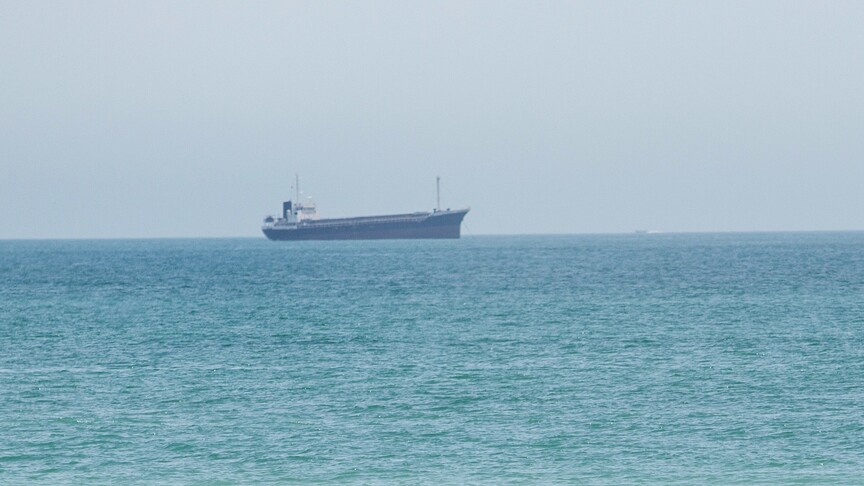
Amid escalating geopolitical tensions in the Middle East, effecting strategic seaways, shipment firms try to operate their services continuously under uncertainties.
Besides Iran's blockade on the Strait of Hormuz related to the US attacks, Iran-backed Yemeni Houthis began to impose another blockade in the Bab el-Mandeb Strait last week.
Concerns over energy costs, supply disruptions, and rising global maritime shipping costs spread from the Strait of Hormuz to the Bab el-Mandeb Strait.
Ann-Christine Graber, spokesperson for global shipment firm DHL, said: "The situation in the Middle East remains dynamic, and we continue to monitor developments closely, working with all relevant authorities and adjusting our network as required."
While some carriers have cautiously resumed selected transits through the Red Sea following security reviews, these decisions remain highly selective and can be reversed as conditions evolve, she told Anadolu.
She also said: "The Strait of Hormuz remains the more acute operational concern, with commercial traffic constrained and carriers continuously reassessing routing, service coverage, and cargo acceptance for affected Gulf markets."
Overall, supply chains continue to require flexibility and contingency planning, she added.
The spokesperson stressed: "Our focus remains on maintaining service continuity through flexible routing, alternative gateways, and contingency planning to help customers navigate a rapidly changing environment, while prioritizing the safety of our people and our customers' shipments."
Last week, Rico Luman, senior transport and logistics economist at ING Group, told Anadolu that the Houthis’ announcement immediately increased the risks associated with crossing the Bab el-Mandeb Strait despite the absence of new attacks, while freight rates and insurance premiums had already surged, leading to higher costs.
“This puts further pressure on oil markets, as the port of Yanbu is being used much more intensively as an alternative export hub for Saudi Arabia,” he said.
“To circumvent the threat, sailing north around Africa through the Mediterranean would take much more time,” he added.
“For container shipping, this could be a reason to postpone resumption plans, as Maersk and Hapag-Lloyd have just resumed some services through the Red Sea, which could lead to prolonged detours around Africa,” he added.