Burhan Sansarlioglu and Ali Canberk Ozbugutu
16 March 2026•Update: 16 March 2026
ISTANBUL
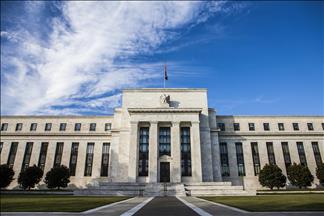
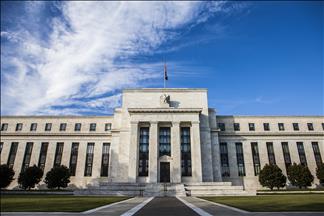
The Fed is preparing for its monetary policy meeting on Wednesday, while experts say the rate cut cycle is likely to be delayed amid price pressures from the conflict in the Middle East.
Rising oil prices driven by the ongoing US and Israeli war in Iran and Tehran’s retaliatory actions on neighboring oil facilities and other infrastructure have deepened inflationary concerns, fueling expectations that the Fed may remain more hawkish in the near term.
The Fed is widely expected to maintain its policy rate at the 3.5–3.75% range on Wednesday, while expectations for rate cuts this year have weakened.
The Fed was previously projected to make its first rate cut of the year in July, but the number of anticipated monetary easing decisions has dropped from two to one for 2026.
James Knightley, chief international economist at ING, told Anadolu that the Fed is likely to postpone rate cuts amid uncertainties over the war in the Middle East, which will continue driving up prices and likely impact US economic growth and employment.
“We see this as a Fed rate cuts delayed story, unlike 2022 when a demand shock combined with a supply shock that fueled inflation and led to rate hikes,” he said.
Knightley said the US imports little crude oil from the Persian Gulf and is self-sufficient in natural gas, but oil prices are shaped by global conditions.
US gas prices have already risen above $3.6 per gallon, while the national average is expected to rise to $4.25 per gallon in the near future.
“The longer the disruption lasts, the greater the chance it lifts prices in other sectors, including fertilizer, food prices and the cost of plastics,” he said.
He added that US inflation is expected to rise well above the 2% target and could reach as high as 3.5% in the summer, while the Fed is likely to slightly lower its growth forecasts and boost its inflation estimates, while postponing the rate cut for this year to 2027.
Philip Marey, senior US strategist at Rabobank, told Anadolu that the negative impact on US economic growth may remain limited as long as there is no serious damage to critical infrastructure in the Persian Gulf, noting that given the current instability, “it would not take much to push employment growth into negative territory.”
“If (Fed board member Kevin) Warsh becomes the new Chair, he will definitely argue for rate cuts because of the downside risks to the labor market; therefore, we still think that the Fed will cut rates in 2026,” he said.
“The new FOMC projections and Powell’s press conference will play a key role in the upcoming adjustment of our Fed rate forecasts,” he noted.
He added that the timing of the first rate cut will be pushed further out and the total number of rate cuts will be reduced in the upcoming forecasts.
*Writing by Emir Yildirim