Mucahithan Avcioglu
23 April 2026•Update: 23 April 2026
Business activity in the euro area unexpectedly contracted in April for the first time since late 2024, as a sharp downturn in the services sector outweighed resilience in manufacturing, survey data showed Thursday.
The HCOB Flash Eurozone Composite Purchasing Managers’ Index, compiled by S&P Global, fell to 48.6 in April from 50.7 in March, slipping below the 50 threshold that separates growth from contraction and missing market expectations of 50.1.
The data point to mounting pressure on the region’s economy, as higher energy costs and supply disruptions linked to the Middle East conflict weigh on demand and confidence.
S&P Global said the slowdown was driven mainly by the services sector, while manufacturing showed relative resilience in some of the bloc’s largest economies.
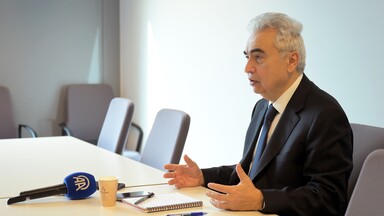
Chris Williamson, chief business economist at S&P Global Market Intelligence, said the eurozone is facing intensifying economic strain from the conflict.
He warned that supply shortages are becoming more widespread and could further dampen growth while pushing prices higher in the coming weeks.
The weak survey is likely to heighten concerns at the European Central Bank, which is already grappling with inflation above its 2% target. While policymakers are expected to hold interest rates steady at their next meeting, markets are pricing in two rate hikes by the end of the year.
Rising energy prices have added to inflationary pressures across the euro area and strained output, which had been expected to recover prior to the conflict.
Williamson also said business confidence has fallen to its lowest level since late 2022, reflecting a broader decline in sentiment. He cautioned that the apparent strength in manufacturing may partly reflect firms building inventories ahead of expected price increases and potential supply shortages.
On inflation, he said both input costs and selling prices rose sharply, driven not only by energy but also by higher commodity prices and supply-demand imbalances.
Excluding the COVID-19 period, Williamson said the latest increase in cost pressures was the strongest since 2000.
PMI surveys are closely watched by investors as early indicators of economic trends and potential turning points in growth.