SM Najmus Sakib
29 January 2026•Update: 30 January 2026
- WFP says without new funding, food assistance for Rohingya refugees could face major disruptions starting in April
DHAKA, Bangladesh
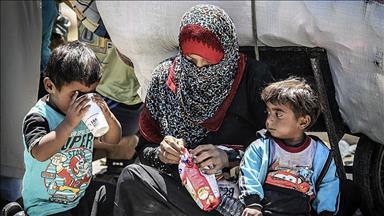
A UN refugee official has called for greater self-reliance and livelihood opportunities for Rohingya refugees living in Bangladesh’s southeastern Cox’s Bazar region amid a “dramatic decline” in humanitarian aid.
The remarks were made during a meeting on Wednesday between Bangladesh’s interim leader Muhammad Yunus and newly appointed UN refugee agency country representative (UNHCR) Ivo Freijsen, according to a statement issued by Yunus’s office on Thursday.
Freijsen stressed the need to strengthen self-reliance initiatives in Rohingya settlements as funding shortages increasingly strain humanitarian operations.
Yunus said the Rohingya crisis was no longer receiving adequate international attention and urged the UN refugee agency to maintain active engagement to facilitate the refugees’ safe return.
He said the repatriation of more than one million Rohingya refugees to their homeland in Myanmar’s Rakhine State “remains the only viable and sustainable solution to the crisis.”
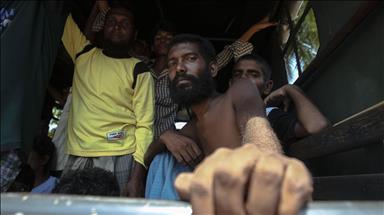
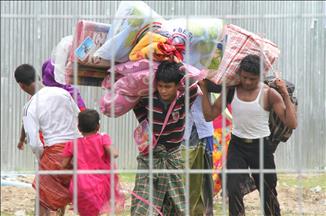
Bangladesh has been hosting more than 1.3 million Rohingya refugees along its southeastern coast since they fled a military crackdown in Myanmar in August 2017. No repatriation has taken place since then, while international funding for humanitarian support has steadily declined.
The UN World Food Program (WFP) cut food rations for Rohingya refugees in 2023 and continued adjusting assistance through 2025 due to reduced global funding and declining donor contributions.
Earlier, the WFP reduced food rations by half because of a severe funding shortfall, driven in part by decisions by the US administration to scale back support to the United States Agency for International Development (USAID), a major aid provider for Rohingya refugees.
Food rations were later restored following funding pledges, but uncertainty remains.
According to the WFP, without new funding, food assistance for Rohingya refugees could face major disruptions starting in April this year.