Esra Tekin
18 February 2026•Update: 18 February 2026
ISTANBUL
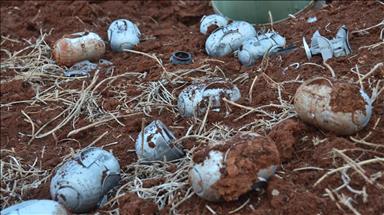
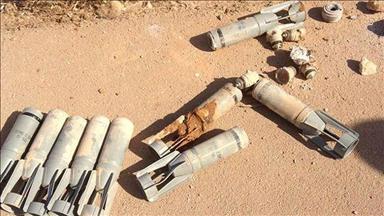
A coalition of human rights advocates, anti-war organizations, and Christian churches is calling on the US government to abandon its $210 million deal to acquire advanced cluster munitions from an Israeli state-owned firm, warning of the “severe, foreseeable dangers” these weapons pose to civilians.
In a letter shared exclusively with US-based foreign policy magazine Responsible Statecraft, the coalition said cluster munitions “disperse submunitions across broad areas, making it exceedingly difficult to confine their impact to lawful military targets.”
They argued that by expanding its stockpile, the US is placing itself “dramatically out of step with civilian protection practices.”
“These weapons’ humanitarian impacts vastly outweigh any possible tactical benefit that they provide,” said Ursala Knudsen-Latta of the Friends Committee on National Legislation, one of the letter’s signatories.
“Unfortunately, it is really sowing seeds of terror for generations to come anywhere they are used.”
First reported earlier this month by The Intercept, the purchase marks a concerning shift in the erosion of a once-strong international consensus against the deployment and accumulation of cluster munitions.
Sustained advocacy efforts, supported by research documenting the enduring risks posed by unexploded bomblets left after conflicts, led to the broad adoption of a treaty banning cluster munitions in 2010.
The US military ceased using cluster munitions in its own campaigns in 2009, and domestic manufacturers have not produced them for years.
However, Washington declined to join the treaty or dismantle its existing arsenal.
That decision later carried significant implications.
After Russia’s invasion of Ukraine included its own use of cluster munitions, the Biden administration chose to supply Kyiv with the contentious weapons, maintaining that they would be “useful especially against dug-in Russian positions.”
The decision appeared to conflict with US law, which bars transferring munitions with a “dud rate” exceeding 1%.
Nevertheless, Congress did not intervene, and Ukraine began deploying the weapons in 2023.
Since then, other countries—including Lithuania, which left the anti-cluster munitions treaty in 2025—have shown interest in using these weapons.
“We're deeply concerned that the US continuing to participate in the use of these weapons will only encourage more allies to do the same,” Knudsen-Latta told RS.
Signatories of the letter include Human Rights Watch, Amnesty International USA, the United Methodist Church, the Arms Control Association, the Center for Civilians in Conflict (CIVIC), the Center for International Policy, and the Quincy Institute, publisher of Responsible Statecraft.
Ramming Chappell expressed hope that Congress will intervene to curb the Defense Department’s reliance on cluster munitions.
In 2023, a bipartisan bloc of 178 House members voted against sending the weapons to Ukraine, and some of those lawmakers may also question or challenge their use by the US military.
“I would expect that we'd see potential questions from Congress about why the United States is moving forward with this transfer and what it intends to do with the cluster munitions it's purchasing,” Ramming Chappell said.