Guinea-Bissau sets presidential, legislative elections for Dec. 6
Decision by transitional authorities comes amid sustained pressure from ECOWAS for swift return to constitutional order
BAMAKO, Mali
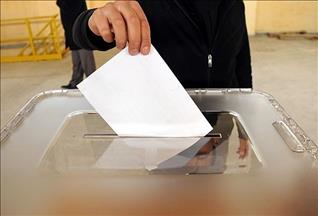
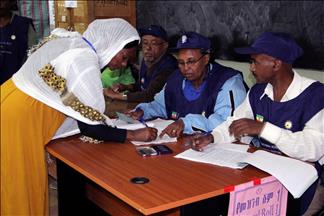
Guinea-Bissau’s transitional authorities announced Wednesday that presidential and legislative elections will be held on Dec. 6, marking the first official electoral timetable since the November 2025 coup, a move closely watched by the Economic Community of West African States (ECOWAS), which has been pressing for a shorter, inclusive transition.
The date was set by presidential decree No. 02/2026 signed by transitional President Gen. Horta Inta-a. It states that the vote will be organized under conditions that will be “progressively put in place” to ensure elections that are “free, fair and transparent.”
The announcement comes as ECOWAS has intensified diplomatic efforts in recent weeks to push the junta toward a rapid restoration of constitutional order. On Jan. 10, a high-level ECOWAS mission led by Sierra Leonean President Julius Maada Bio, the bloc’s current chair, traveled to the capital Bissau to press transitional leaders on the transition timeline.
Speaking at the end of the visit, Bio underscored the need for “a rapid return to constitutional normalcy” in line with decisions taken at ECOWAS’s 68th summit. The delegation also included ECOWAS Commission President Omar Alieu Touray and Senegalese President Bassirou Diomaye Faye.
While the transitional authorities have now set an election date, ECOWAS has yet to issue an official reaction to the December 2026 timeline. The regional bloc had previously rejected an initial transition calendar proposed by the coup leaders and continues to demand the release of all political detainees as well as guarantees for the protection of national institutions by the ECOWAS Mission in Guinea-Bissau (ECOMIB). It has not ruled out targeted sanctions should it deem the process obstructed.
Tensions remain high over the continued detention of Domingos Simoes Pereira, a former speaker of parliament and leading opposition figure, who remains in custody despite the partial release of other political detainees following Senegalese mediation. His case remains a major sticking point between the transitional authorities and the international community.
Gen. Horta Inta-a seized power on Nov. 26, 2025 after the military interrupted the electoral process just 24 hours before the official announcement of results from the Nov. 23 presidential and legislative elections. Those polls had been described as “free, transparent and peaceful” by ECOWAS and several international observer missions.
Following the coup, ECOWAS suspended Guinea-Bissau from its decision-making bodies and called for a civilian-led transition. The transitional authorities later adopted a Political Charter of the Transition on Nov. 27, 2025, which now serves as the legal basis for the December 2026 electoral timetable.
Whether the new schedule will satisfy regional demands for a shorter transition — and avert further diplomatic or economic pressure — remains uncertain.