MOGADISHU, Somalia
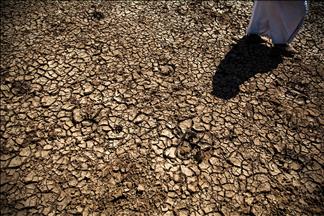
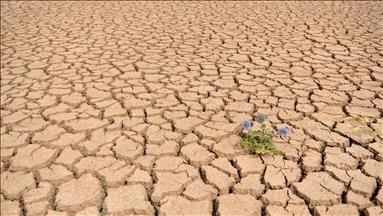
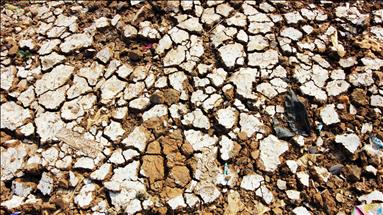
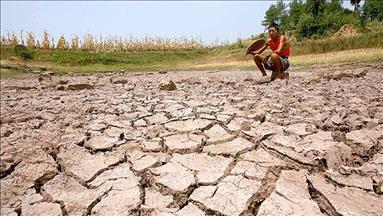
Already battered by climate change-related disasters such as floods and desert locust invasions, Somalia is now in the grip of a deadly drought that is causing massive displacement.
People in several regions of the Horn of Africa country are heading for various towns and cities in search of water and food, further testing the government’s frail response, which includes imposing a state of emergency to tackle the crises.
The worst-hit areas include the Bay, Bakol and Gedo regions. Baidoa, capital of the Bay region, houses over 400,000 internally displaced persons (IDPs) and is still receiving hordes of people from different parts of the South West State, including the Bakol region and the towns of Diinsoor and Qasahdhere.
The majority of these refugees have lost their only source of income – livestock, South West State Humanitarian Affairs Minister Abdinasir Abdi Arush told Anadolu Agency.
“In South West State, Baidoa is home to over 400,000 internally displaced persons, most of them children and women. The situation is critical,” he warned.
“The drought, coupled with a blockade by al-Shabaab in some parts of the state, is causing a disaster that is beyond our capability to handle. These shelterless people have nothing to eat or drink. We need to help them before it is too late.”
In November last year, Somalia’s Prime Minister Mohamed Hussein Roble declared a state of emergency, calling on the public, religious scholars, businesspeople and the international community to unite and help people in need.
Severe drought is gripping most of Somalia as seasonal rains failed for the third time since late 2020, according to a recent report by the UN Office for the Coordination of Humanitarian Affairs (UNOCHA).
Some 3.5 million Somalis already face acute food insecurity and without urgent and increased support, the situation will likely deteriorate further, the UN agency said.
New arrivals
Sokorey Da'arow, a mother of six who arrived at an IDP facility on the outskirts of Baidoa two days ago, said her family walked for two weeks to reach the camp.
“It was a very tough and dangerous route. We were robbed of our belongings on the way, but thankfully we made it to safety,” she told Anadolu Agency.
Isaq Mohamed, a 45-year-old man with a physical disability, and elderly Abdi Adan Sabriye arrived at the camp a week ago from Quladow, an area some 60 kilometers (37 miles) from Baidoa city.
“There have been no rains for the last three seasons. We have lost almost all our livestock; our livelihoods were decimated by the drought,” Mohamed told Anadolu Agency.
“We are here looking for water, food, shelter, medicine and education for our children.”
Mad Kuus Hassan, one of the camps’ administrators, told Anadolu Agency that he has not seen such a massive influx of people in the past decade.
“In one week alone, we have accepted over 200 families who came here searching for food and water. But even we don’t have proper shelters and enough water to sustain the rising number of displaced persons. The price of drinking water has gone up, with a 20-litre bottle of water now costing over $3,” Hassan said.
Situation in Jubaland State
With better coordination and access to vulnerable people, the situation in Jubaland State has stabilized a little bit, Nadeef Abdishakur, a community activist, told Anadolu Agency.
He said Jubaland State has seen greater mobilization from local communities to help accommodate displaced people in their cities.
“Most of the displaced nomads have lost almost all of their livestock and are setting up makeshift camps where there is no food. Those who have animals cannot find buyers,” Abdishakur said.
“If one goat is sold for $20, what will they use that money for? Will they buy food for their families, pay for the car that brings them to the city market, or repay the debt they may have taken to provide water and feed for his animal?” he bemoaned, describing how livestock has lost its value in the southern state.
The livestock economy is the backbone of Jubaland and the devastation caused by the drought will be felt across all sectors for some time to come.
“We appeal to the governments and organizations to help these nomads go back to their areas and continue their way of living,” he added.
Turkish humanitarian relief in Somalia
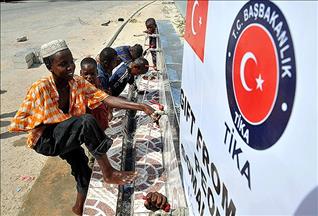
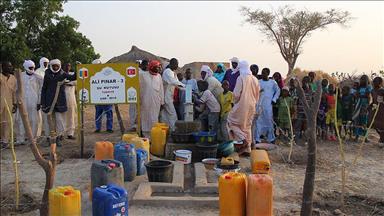
The Turkish Red Crescent, which has been carrying out humanitarian aid activities in Somalia since 2011, has doubled its efforts to help families in need.
“During this drought, the Turkish Red Crescent has been providing nutrition, shelter, water, sanitation and education to those in need,” Orhan Kokcu, who heads the organization in Somalia, told Anadolu Agency.
“In the near future, we will build a new deepwater well in the Sool region in the north. We will also complete the renovation of an orphanage this month,” he added.