Kasım İleri
06 January 2016•Update: 08 January 2016
WASHINGTON
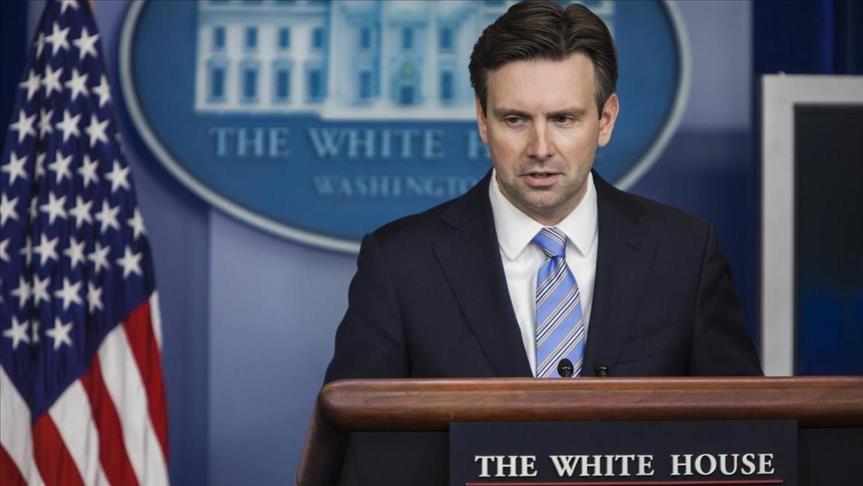
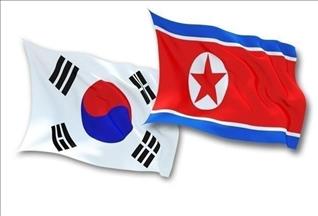
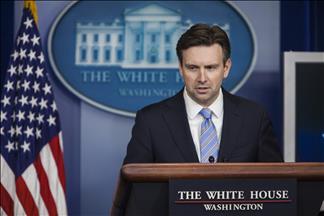
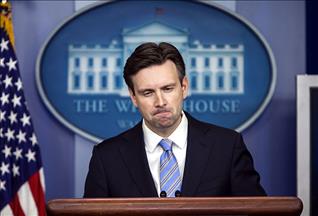
Initial analysis of a nuclear test by North Korea is "not consistent with … claims of a successful hydrogen bomb test", the White House said Wednesday.
"By now, the extensive independent analysis that's been done in the United States and in other countries that includes significant and understandable skepticism about the claims of the North Korean regime," said spokesman Josh Earnest said. "We're obviously going to continue to look at this by monitoring the situation, assessing the available data and evidence.
"There's nothing that's occurred in the last 24 hours that has caused the United States government to change our assessment of North Korea's technical and military capabilities," he added.
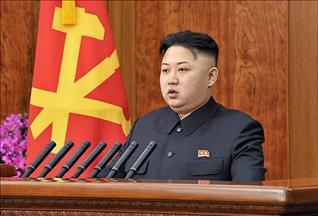
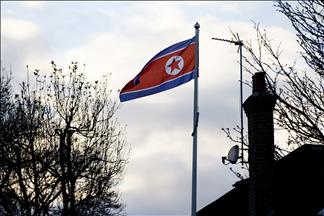
North Korea's state-run news agency KCNA said earlier in the day that the “historic test” had been carried out under orders of leader Kim Jong-un -- who last month warned for the first time that his country was “ready to detonate a self-reliant H-bomb”.
Hydrogen bombs involve fission and fusion reactions to generate greater power than single-stage atomic weapons. If claims are confirmed, it would mark a major upgrade in North Korea’s nuclear capability.
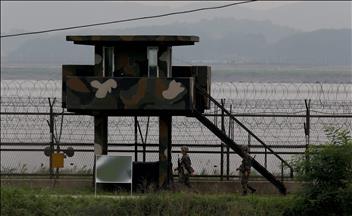
The pariah state has carried out three nuclear tests since 2006 and observers say the explosion claimed Wednesday was slightly larger than the last test in 2013.
Global reaction has been swift and strong.
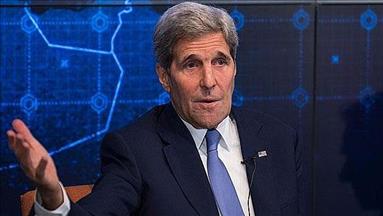
Secretary of State John Kerry said in a statement that the U.S. and nations around the world have "unequivocally” condemned the test.
"This highly provocative act poses a grave threat to international peace and security and blatantly violates multiple UN Security Council resolutions," he said.
The State Department noted that the U.S. considered Pyongyang’s pursuit of an H-bomb a "national threat" and urged the international community to "unify" in response.
A State Department spokesman said Kerry had been in contact with allies and partners in the region since late Tuesday.
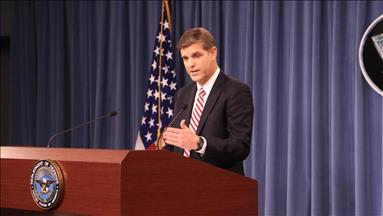
Kerry also spoke Wednesday via telephone with South Korea’s Foreign Minister Yun Byung-se and “reiterated to the foreign minister our steadfast commitment to the security of the Republic of Korea and the peninsula”, said John Kirby.
Kerry was scheduled to also speak with his Japanese counterpart Fumio Kishida Wednesday evening.
"And a call to his Chinese counterpart is in the process of being scheduled," Kirby added.
The U.S. could pursue "tougher" and "more specific" sanctions against North Korea but no additional sanctions, according to Kirby. "I'm not predicting whether they'll happen or what they will be. But we do want the U. to consider that as an option."
Kirby also noted that Deputy Secretary of State Tony Blinken will visit the Korean peninsula next week in the context of North Korea's recent actions.