Ilayda Cakirtekin
26 May 2026•Update: 26 May 2026
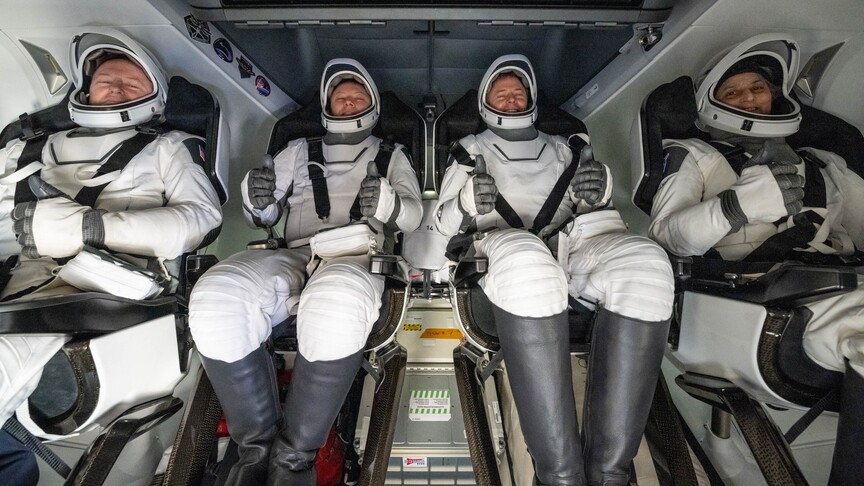
Excessive proximity could fuel conflict and mistrust in isolated teams such as space crews, according to the findings of a new study from two Swiss universities released Monday.
The study, from the University of Zurich and the University of Bern, examined how the conditions of space missions, in which crews are exposed to months of isolation, confinement and stress, affect team dynamics.
During a 10-month overwintering mission at Concordia Station in Antarctica, 12 crew members completed questionnaires at four different points in time while also wearing sensors that recorded when and how long they were in close proximity to one another.
The findings revealed that people with more frequent contact with other team members were more likely to report conflict, mistrust, and reduced performance. The study also demonstrated that isolation is not the only source of stress in confined settings.
“In small teams under extreme conditions, more contact doesn’t automatically equate to social support, but can actually increase tensions,” said Jan Schmutz, a psychology professor at Zurich.
The sensor data also showed that the team increasingly divided into subgroups, with crew members seeking out people who shared the same language or nationality.
The study is considered significant particularly for future long-duration space missions, as well as for other extreme environments such as submarines, offshore oil platforms, and remote research stations.
“The results show how important it is to identify social dynamics early on and provide teams with targeted support,” Schmutz further said.