BEIJING/SHANGHAI
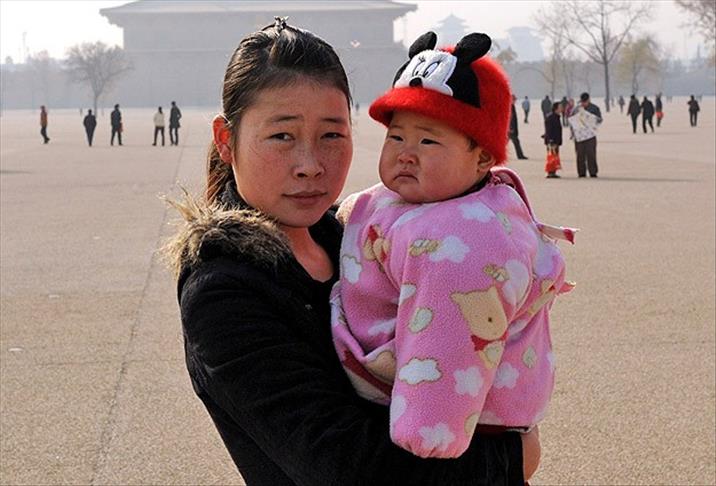
Up to 20 million Chinese citizens may take the opportunity to have a second baby after China loosened its one-child policy, experts say, taking a step toward ending the slide in its population growth.
The move, announced November 15 following the third general meeting of China's ruling Communist Party, means an urban couple could have a second child if one parent is an only child.
Although a meaningful rollback in long-running family planning measures in China, the policy change will not lead to a population explosion, says Jae Jin Woo of People's University of China.
Woo notes that most families, specifically residents of Beijing and Shanghai, are aware of the high costs of child rearing. This suggests that easing the one-child policy may not sustain the expected population growth, as only half of the families now permitted to have a second child are financially capable of supporting one.
China’s National Health and Family Planning Commission estimates that economic growth might face a slowdown within ten years if former birth planning policies continued, as a sharp decrease in labor force in 2012 attests.
The rate of population growth in China, the world's most populated country with nearly 1.4 billion people, dropped to 12.1 per cent in 2012 compared to 33.4 per cent in 1970.
The population control measure known as the one-child policy dates back to the 1970s. It initially limited urban couples to one child. They could have a second child if both parents were only childs. Couples in rural regions are permitted two children if their first baby was a girl or is disabled, while ethnic minorities are exempt.
Around 16 million babies were born last year in China, while 9 million people passed away. The population of citizens over age 60 exceeds 200 million, according to official figures.
englishnews@aa.com.tr