11 April 2016•Update: 28 April 2016
By Mustapha K. Darboe
BANJUL, Gambia
Africa’s leading torture watchdog has raised concern over the use of counter-terrorism measures by governments to justify torture and lengthy detentions in state custody.
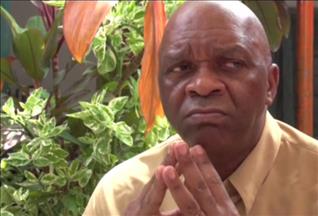
Speaking to Anadolu Agency, Lawrence Mute, who heads the African Commission on Human and Peoples' Rights’ mechanism against torture and other forms of ill-treatment, said torture is still widespread.
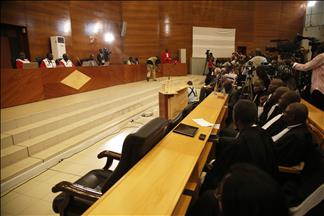
He made the remarks during a two-week commission forum in Gambia bringing together human rights activists to discuss issues of concern in Africa through April 20.
“One of the reactions which we see against terrorism is heavy-handed use of the law… For example we are concerned that the number of days for which a person can be incarcerated without being taken to court was being increased excessively, and we see that in Tunisia,” he said.
“If you think about trends of torture in Africa, you could be forgiven for being pessimistic because clearly there are lots of instances where torture continues to happen or even continues to rise.”
Many countries in the sub-region have upcoming elections, including Gambia and Ghana this year, and Mute said they are “concerns” over the possibility of torture in the runup to polls.
“We know that there can be electoral violence, and there has been in the past election violence in many places on the continent,” he said.
“This is one of the areas I have reported on when presenting my reports to the commission, and we cited Burundi and Uganda… The concern is in the area where you have incumbent presidents trying to restrict the environment.”
Guillaume Collin, permanent representative to the commission of the International Federation of Action by Christians for the Abolition of Torture, said torture is not only widespread but victims in the continent are often denied justice.
“Torture has been criminalized by the United Nations… but many African countries do not criminalize torture in their criminal code or state legislation. Thus, there is impunity for victims of torture… because victims of torture cannot seek remedies in courts,” he told Anadolu Agency.
“You cannot seek redress if torture is not criminalized in these countries of concern”.
Pointing to improvements, however, Mute said there have been a “number of instances where incidents of torture were remedied… and victims awarded, like in Kenya”.
“In terms of the law, the number of states that have signed international treaties on torture in Africa has increased,” he added.
The commission defines torture as intentional and systematic infliction of physical or psychological pain and suffering in order to punish, intimidate, or gather information.
Med Kaggwa, the commission’s special rapporteur on prison, detention conditions, and policing, also told Anadolu Agency about the bad condition of prisons and detention centers in the continent.
“There are also longer prisoner trials,” he said. “In many of the prisons in Africa, there are many [more] remand prisoners than convicts.”
“One common thing in African prisons is overcrowding, dilapidated prison buildings, and bad sanitary conditions.”
He also said they found “instances of physical torture in some prisons” they visited.