Ayhan Şimşek
22 April 2016•Update: 26 April 2016
BERLIN
The German government on Friday hailed the progress made in the implementation of the EU-Turkey agreement with regards to the refugee crisis but also said much still needed to be done.
"This agreement has become effective a relatively short time ago and we are working together on the implementation. The first steps are taking us in the right direction," government spokesman Steffen Seibert said a press conference in Berlin, ahead of Chancellor Angela Merkel’s visit to Turkey on Saturday.
"Since the EU-Turkey agreement became effective, the activities of people smugglers, life-threatening illegal immigration in the Aegean have been significantly reduced, as we hoped for in the beginning," he stressed. "But without doubt, much remains to be done, and this makes Chancellor Merkel’s visit to Turkey meaningful."
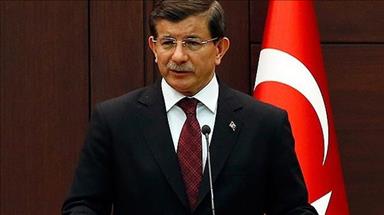
Merkel will visit refugee camps in the eastern Turkish province of Gaziantep on Saturday, along with Turkish Prime Minister Ahmet Davutoglu, European Council President Donald Tusk and EU Commission Vice-President Frans Timmermans.
Seibert said Merkel’s visit will particularly focus on the projects for the Syrian refugees in Turkey using financial support from the EU.
"Turkey has made great efforts for refugees in the past years. Now we are sharing Turkey’s burden and helping to improve their destiny," he said.
The EU-Turkey deal provides a 6 billion euro ($6.8 billion) aid package until the end of 2018 to help Turkey care for millions of refugees, most of whom escaped civil war in neighboring Syria.
Under the deal, Ankara has committed to take measures to strengthen the fight against human smugglers. Turkey has also promised to accept return of all migrants who illegally crossed into Greek islands.
German Chancellor Merkel has been one of the leading supporters of the EU-Turkey deal, which was reached on March 18.
Germany took in 1.1 million asylum-seekers last year, but it has seen a sharp decline in refugee numbers recently since the EU-Turkey deal has come into effect.