Burc Eruygur
10 June 2026•Update: 10 June 2026
Russia said on Wednesday that it will respond to the EU's latest sanctions package proposed a day earlier with “effective and tough measures.”
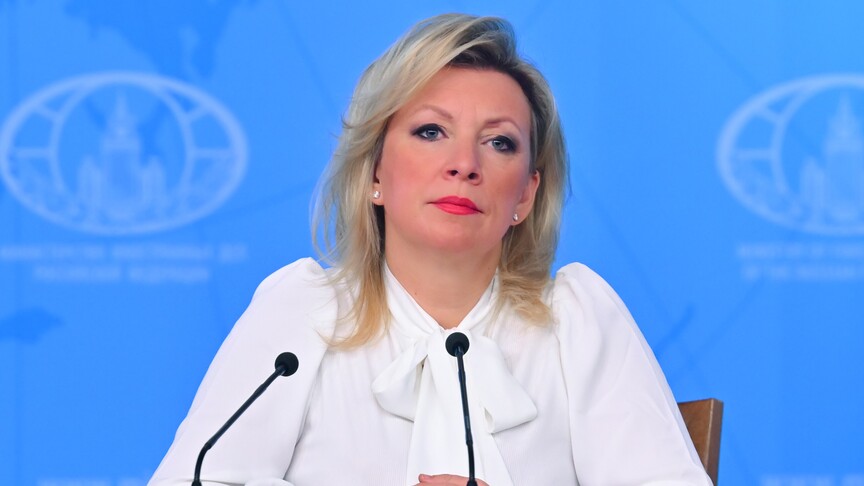
“We will respond to the EU's latest sanctions package with effective and tough measures,” Foreign Ministry spokeswoman Maria Zakharova told reporters at a press briefing.
Zakharova said Russia strongly condemns “any illegitimate unilateral coercive measures,” and that more and more countries share and support this approach.
She argued that the EU refuses to understand that sanctions packages will fail to achieve their goals of influencing Russia's policy.
Zakharova also said the bloc's sanctions are increasingly taking on an international dimension, causing discontent among the majority of countries.
On Tuesday, the 27-member bloc presented proposals for a 21st sanctions package, including a temporary freeze on the Russian oil price cap and measures targeting banks, oil traders, refineries, and cryptocurrency operators accused of helping Moscow circumvent existing restrictions.
EU foreign policy chief Kaja Kallas said the bloc would continue targeting Russian revenues and assets needed to finance the Ukraine war while discussions among member states on additional sanctions continue.
Armenia
Zakharova also spoke about the EU in the context of the recent parliamentary election in Armenia, accusing the bloc of seeking to harm relations between Moscow and Yerevan, including historical socio-economic ties.
She accused the EU of "turning a blind eye" to all principles and laws to achieve its desired result in the election held over the weekend.
"The republic's leadership is trying to convince its fellow citizens that there's no need to make a choice — that's how the question is now being framed — between the EU and the EAEU (Eurasian Economic Union).
"They can, they say, enjoy all the benefits of Eurasian integration while simultaneously preparing to apply for membership in another economic bloc. No, it can't. We will not tolerate such a dependent attitude toward the EAEU unification," Zakharova added.
On Sunday, about 1.47 million out of approximately 2.5 million Armenians cast their ballots at 2,005 polling stations nationwide during Armenia's parliamentary election, amounting to a turnout of nearly 59%.
Prime Minister Nikol Pashinyan’s Civil Contract party secured 49.82% of the vote, according to preliminary results shared by Armenia’s Central Election Commission, while its closest competitor, the Strong Armenia party, led by billionaire Samvel Karapetyan, received 23.28%.
In an initial statement on Sunday's election earlier this week, Zakharova claimed that the parliamentary vote was held amid Western interference and "unprecedented pressure” on the country’s opposition.