15 February 2016•Update: 04 April 2016
By Andrew Ross
NAIROBI, Kenya
The rapes and sex violence that followed Kenya’s 2007 elections have left the victims physically and mentally scarred, according to a report issued Monday.
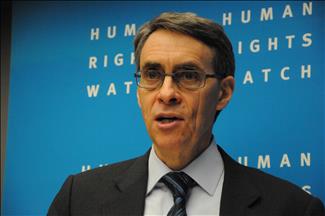
Human Rights Watch (HRW) found “ongoing physical, mental, psychological and socio-economic impacts” of tribal violence carried out in the wake of presidential and parliamentary polls.
“What we found is that eight years down the line, women continue to live with serious physical injuries and mental health illnesses as well as poverty and social exclusion largely because the government has forgotten them and excluded them from programs to assist victims of the post-election violence,” Agnes Odhiambo, a senior HRW researcher, told Anadolu Agency.
The 104-page report was compiled from interviews 163 girls and women in Kenya, 37 of who became pregnant after being raped.
Apiyo P, 53, was left with severe medical problems after being repeatedly raped. “Up to today, I don’t feel at peace,” she was quoted in the report as saying. “My body is not the same.”
She added: “I haven’t gone to a big hospital because I don’t have money. I have so much shame. I feel hopeless. I just sit and wait to die.”
Human Rights Watch called on the government to pay compensation to women suffering from the violence that left more than 1,133 dead, with priority given to those in need of urgent medical attention.
The December 2007 election saw Mwai Kibaki declared president amid allegations of electoral malpractice from opponent Raila Odinga.
In a spiral of violence, members of Kibaki’s Kikuyu tribe were initially targeted by Odinga supporters, mostly members of the Luo tribe, which led to tit-for-tat attacks across the country.