Merve Aydogan
10 March 2026•Update: 10 March 2026
HAMILTON, Canada
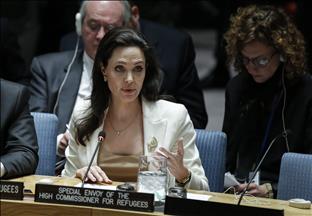
Syria's chemical weapons declaration from the former Assad regime remains unverified, the UN's deputy to the high representative for disarmament affairs said on Tuesday, as inspectors identify a growing number of potentially undeclared sites.
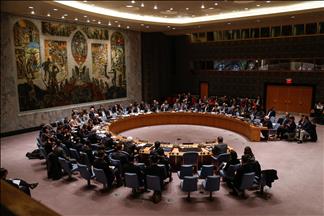
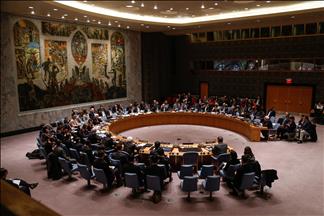
Briefing the UN Security Council, Adedeji Ebo said "the OPCW (Organization for the Prohibition of Chemical Weapons) and the Syrian Arab Republic have continued to engage on how to eliminate any remnants of the chemical weapons programme developed by the previous government."
Noting that since 2014 inspectors have struggled to verify Syria's declaration, he said: "The OPCW Technical Secretariat has not been able to confirm that the declaration submitted by the previous government was accurate and complete, because of the insufficient and inaccurate information it contained."
Warning that the scale of the undeclared program may be far larger than previously known, he reported that "in addition to the 26 declared chemical weapons-related sites, information made available to the OPCW suggests that there are more than 100 other sites that may have been involved in the previous government’s chemical-weapons related activities."
Highlighting the progress made by the inspectors since March 2025, Ebo said that "more than 20 locations have been visited. The OPCW has also conducted interviews with former chemical weapons experts, collected 19 samples, and over 6,000 documents from the visited locations."
He added that "the Syrian government handed over 34 sealed cardboard boxes containing documents to the OPCW Technical Secretariat, which have been documented and scanned, and will be processed for translation and analysis."
Ebo, however, noted that "further visits are currently on hold, given the conflict in the region."
Urging for "significant and consistent" support from the international community, he also called on the Security Council "to unite and show leadership in providing the support that this unprecedented effort will require."
The Bashar Al-Assad regime signed the Chemical Weapons Convention (CWC) in October 2013, two months after a chemical attack on an opposition-held Damascus suburb killed hundreds of victims.
The UN concluded in 2014 that the attack involved the use of the sarin nerve agent.