Mohammed Hamood Ali Al Ragawi
23 March 2026•Update: 23 March 2026
ISTANBUL
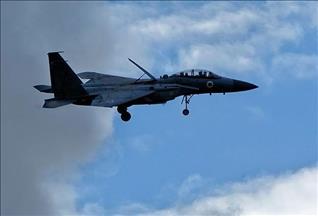
Israeli Transport Minister Miri Regev announced restrictions on flight operations at Ben Gurion Airport in Tel Aviv amid ongoing Iranian missile attacks on Israel in response to its military campaign since Feb. 28.
In a statement late Sunday, Regev said: “In order to safeguard lives, I have decided to temporarily reduce the number of takeoffs and landings, as well as the number of passengers at Ben Gurion Airport,” according to daily The Times of Israel.
She added that starting at 5.00 pm Monday (1500GMT), only one flight will operate per hour, with one incoming flight allowed without a cap on passengers, followed by one outgoing flight limited to a maximum of 50 passengers.
The decision reduces the number of passengers allowed on departing flights from Ben Gurion Airport to 50, down from 120 previously permitted, according to the daily.
It also noted that only one flight will be allowed to take off per hour and one to land in the following hour, instead of two arrivals and departures within the same hour.
The move follows recommendations by Israeli aviation officials on Sunday for the “immediate closure” of Israeli airspace amid continued Iranian attacks in response to US-Israeli strikes.
Officials urged Regev to immediately shut down Ben Gurion Airport and the country’s airspace ahead of the Jewish Passover holiday, which begins in April, allowing only essential flights, according to Israeli media.
Iranian ballistic missiles targeted central and southern Israel over the past two days, leaving dozens injured. Regev said the decision to limit flights at Ben Gurion Airport remains subject to change based on recommendations from security authorities and relevant bodies.
Despite restrictions imposed on air traffic since the start of the US-Israeli campaign against Iran, Israeli airspace continues to operate partially, with ongoing assessments of the security situation and increasing calls for a full closure.
Regional escalation in the Middle East has continued to flare since the joint attacks by the US and Israel on Iran on Feb. 28, killing so far over 1,300 people, including then-Supreme Leader Ali Khamenei.
Iran has retaliated with drone and missile strikes targeting Israel, along with Jordan, Iraq, and Gulf countries hosting US military assets, causing casualties and damage to infrastructure while disrupting global markets and aviation.
Tehran has also imposed control over the Strait of Hormuz, a critical waterway for global energy and other supplies to most of Asia.
*Writing By Khaled Badr