Mohammad Sio
18 June 2026•Update: 18 June 2026
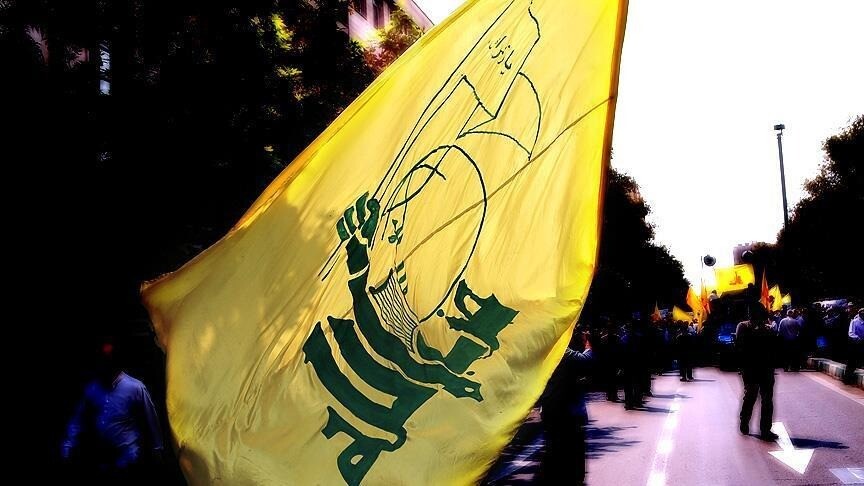
The head of Hezbollah’s parliamentary bloc, Mohammad Raad, said Thursday that Israel “has 60 days” to complete a full withdrawal from Lebanese territory, calling on Beirut to study the US-Iran memorandum of understanding “carefully and objectively.”
Raad’s remarks came as Israel continues its daily attacks on Lebanon and insists it will not withdraw from areas it occupies in southern Lebanon, though the first clause of the US-Iran agreement calls for the “immediate and permanent cessation of military operations on all fronts, including Lebanon.”
The memorandum also commits to “guaranteeing Lebanon’s territorial integrity and sovereignty” and states that a final agreement will affirm “a permanent end to the war on all fronts.”
“The maximum time available for the enemy to completely withdraw from Lebanese territory is exactly two months,” Raad said in a statement.
He added that Israel, during that period, must cease hostilities “by land, sea, and air” and begin withdrawing from Lebanese territory “without the need for any direct negotiations.”
The Hezbollah legislator called on the Lebanese authorities to “read the text of the memorandum carefully and objectively and draw conclusions about the realities and implications that will weigh on the region and the world, including Lebanon.”
He also urged officials not to underestimate “Iran’s ability to fulfill its commitment to deter the Zionist enemy (Israel) should it insist on violating the terms of the memorandum.”
On Wednesday evening, US President Donald Trump and Iranian President Masoud Pezeshkian electronically signed the “Islamabad Memorandum of Understanding,” aimed at ending the war launched by the US and Israel against Iran on Feb. 28.
Pakistani mediators subsequently announced that the memorandum had entered into force, with Iran set to reopen the Strait of Hormuz to maritime traffic while the US begins lifting its naval blockade on Tehran.
Under the memorandum, Washington and Tehran are due to hold negotiations lasting 60 days, with the possibility of an extension, aimed at reaching a final agreement covering Iran’s nuclear program and international sanctions.
“The resistance advises the authorities against engaging directly with the Zionist enemy in targeting the resistance, because that is not in the interest of Lebanon or the Lebanese people,” Raad said.
“The war aimed at eliminating the resistance in Lebanon has failed and will not achieve its objectives,” he added.
There was no comment from Lebanese or Israeli authorities on Raad’s statement.
His remarks came ahead of a fifth round of talks between Lebanon and Israel scheduled for June 22.
According to a joint statement issued after the last round in the US earlier this month, the two sides agreed to implement a ceasefire conditioned on a complete halt to Hezbollah’s fire and the withdrawal of its fighters from areas south of the Litani River.
Earlier Thursday, Lebanese President Joseph Aoun met members of the country’s negotiating delegation before their departure to Washington.
A Lebanese presidency statement said that Aoun instructed the delegation “to adhere to Lebanon’s core positions,” including a permanent ceasefire, the withdrawal of Israeli forces from occupied Lebanese territory, the deployment of the Lebanese army up to the border, the return of Lebanese detainees, and the launch of a reconstruction process.
Israel has been waging an offensive on Lebanon since March 2, killing 3,912 people, injuring 11,873 others and displacing more than 1 million, according to the latest official figures.
Israel continues to occupy areas in southern Lebanon, some for decades and others since the latest conflict between the two sides. During the recent military campaign, Israeli forces advanced more than 10 kilometers into Lebanese territory.
*Writing by Mohammad Sio in Istanbul