Algerian parliament approves death penalty for arson, child kidnapping
Amendments to penal code introduce harsher penalties for perpetrators of serious crimes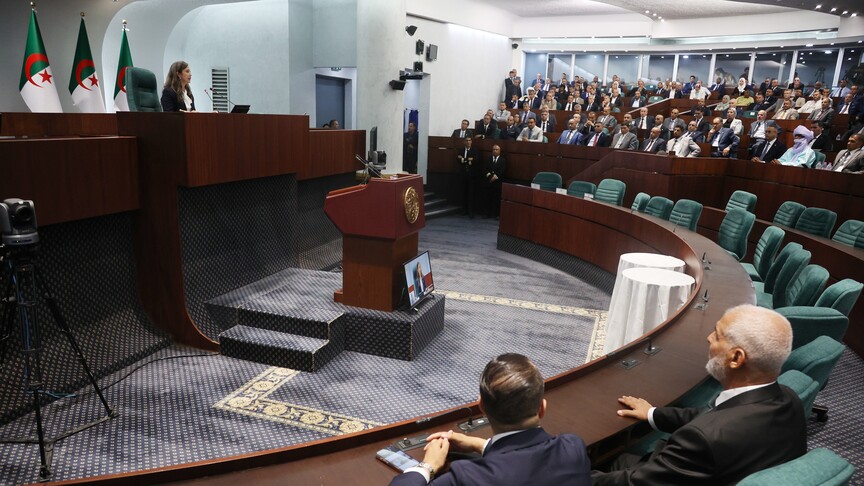
Algeria’s lower house of parliament approved a bill Thursday amending the penal code to introduce the death penalty for those convicted of deliberately setting fires and kidnapping children.
The bill is the first legislation approved by lawmakers in the People’s National Assembly during the new parliamentary session and follows directives from President Abdelmadjid Tebboune after wildfires swept across parts of the country in August, causing human and property losses.
The death penalty would apply to those convicted of deliberately setting fire to forests and fields, as well as the deliberate destruction of public or private property on behalf of foreign parties as part of treason, espionage or organized crime.
The penalty would also apply to anyone attempting to undermine public security and order, national unity, or economic and environmental stability, according to the bill.
One of the newly approved provisions introduces the death penalty for those who kidnap children by any means, with harsher penalties when the crime involves torture, sexual assault or abuse.
The bill also stipulates that individuals convicted of offenses related to arson or attacks against children would not be eligible for mitigating circumstances provided for under the penal code.
The legislation will take effect after approval by the Council of the Nation, the upper house of parliament, by a three-quarters majority of its members, followed by promulgation by the president and publication in the official gazette.
The death penalty remains part of Algeria’s criminal legislation for a number of offenses, although executions have been suspended since 1993.
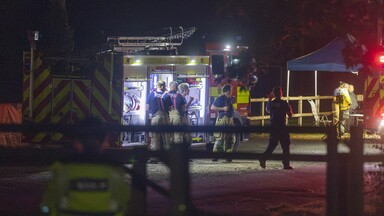
Between Aug. 27 and 30, major wildfires broke out in several eastern provinces, causing significant human and property losses, particularly in Jijel province, which continues to receive aid and relief convoys.
Interior Minister Said Sayoud said at the time that 12 people had died in the wildfires.