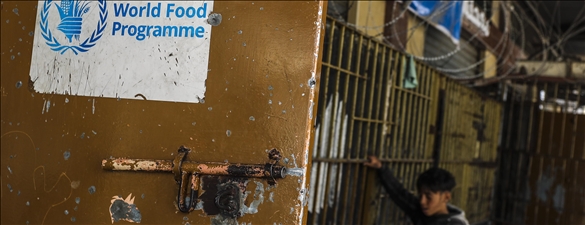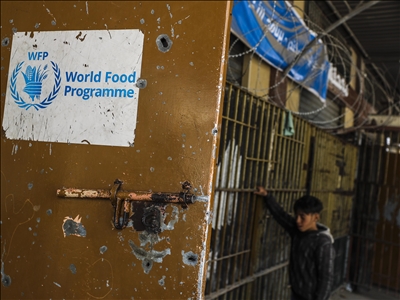
UN food agency warns Mideast conflict could push global hunger to record levels


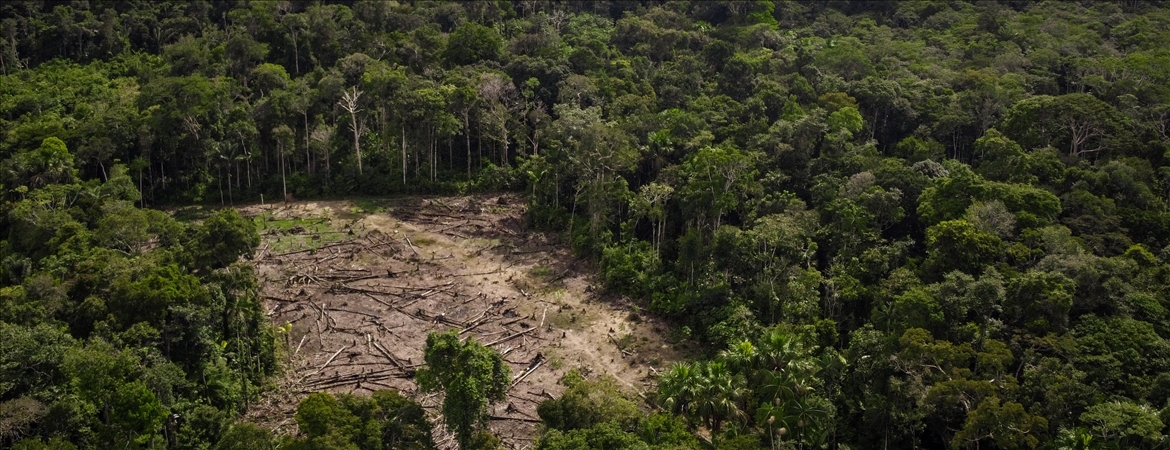
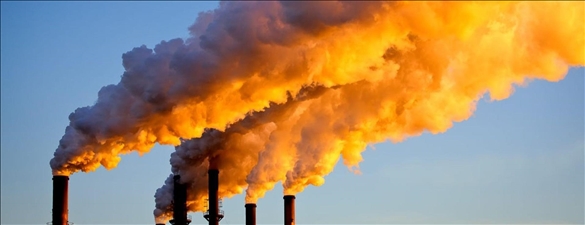
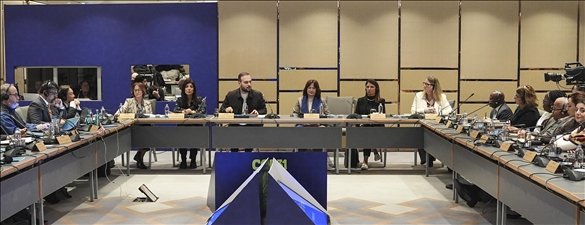
Brazil on Monday unveiled its first updated national climate plan since 2008, outlining a 2035 roadmap that prioritizes ending deforestation as the key measure to cut carbon emissions and address global warming.
The updated plan, extending to 2035, reiterates ending deforestation as the central strategy for reducing emissions.
Brazil’s main source of carbon emissions stems from land-use change driven by deforestation, particularly in the Amazon region, which accounts for nearly half of the country’s emissions.
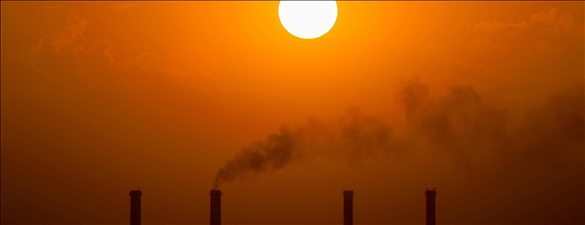
"We are living through a very serious situation of climate emergency," Environment and Climate Change Minister Marina Silva said.
Silva noted that lowering emissions and boosting climate resilience “means protecting the lives of those who already suffer from the heavy rains, droughts, and extreme heat waves that the climate emergency is making more intense and frequent.”
Brazilian President Luiz Inacio Lula da Silva, who is running for reelection this year, has pledged to eliminate deforestation by 2030.
The South American country is among the world’s top 10 carbon emitters and has pledged under the Paris Agreement to cut emissions by 59% to 67% below 2005 levels by 2035 and reach net zero by 2050.