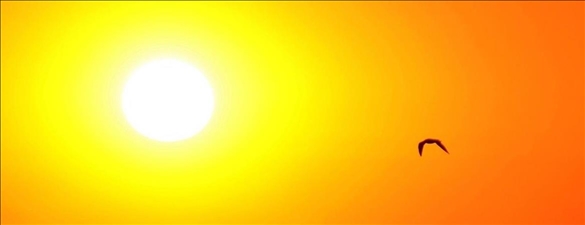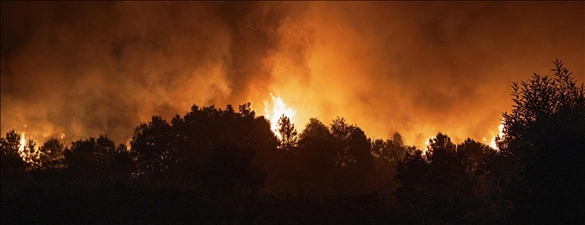
Europe, UK face mounting economic risks amid heat waves


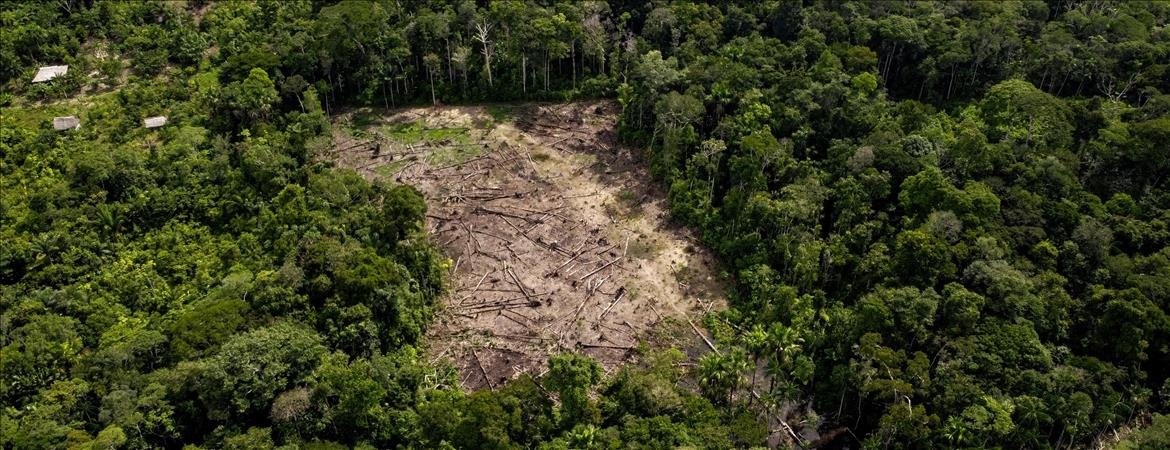
Deforestation occurs as a result of the destruction of forested areas due to climate change, urbanization, and demographic changes.
The use of forested areas as agricultural land and the use of forest regions for grazing make up 90% of current deforestation. The loss of forests and wooded areas, which act as natural carbon sinks, causes more carbon dioxide gas to be released into the atmosphere. The accumulation of carbon dioxide gas in the atmosphere leads to an increase in greenhouse gas levels and causes the effects of global warming to be felt more severely.
The Food and Agriculture Organization of the United Nations (FAO) defines deforestation as “the conversion of forests to another land use.”
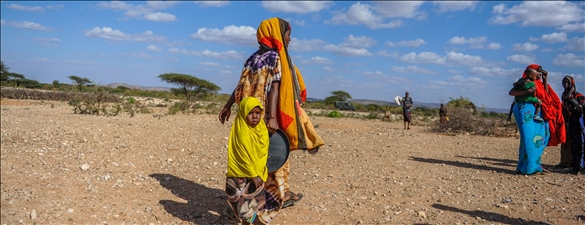
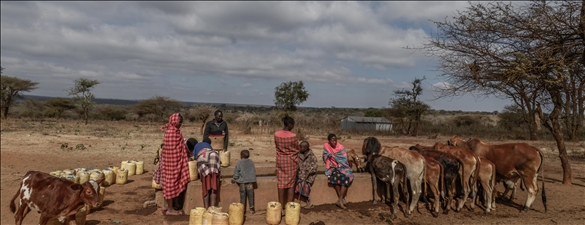
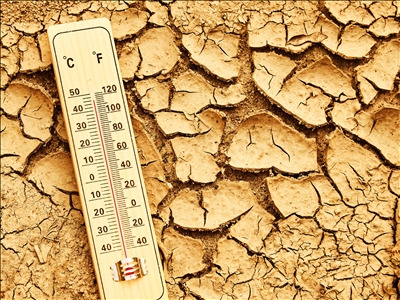
Desertification, on the other hand, is defined as land degradation that occurs in arid, semi-arid and sub-humid areas due to factors such as climate change, the impact of humans and animals, changes occurring in vegetation, soils becoming infertile over time, deforestation, and the decrease of water resources.
To reduce the effects of desertification, it is recommended to take measures such as preventing overgrazing, reducing deforestation, protecting water resources, increasing efforts to combat climate change, and encouraging proper agricultural practices.