Emre Gurkan Abay and Emir Yildirim
19 August 2026•Update: 19 August 2026
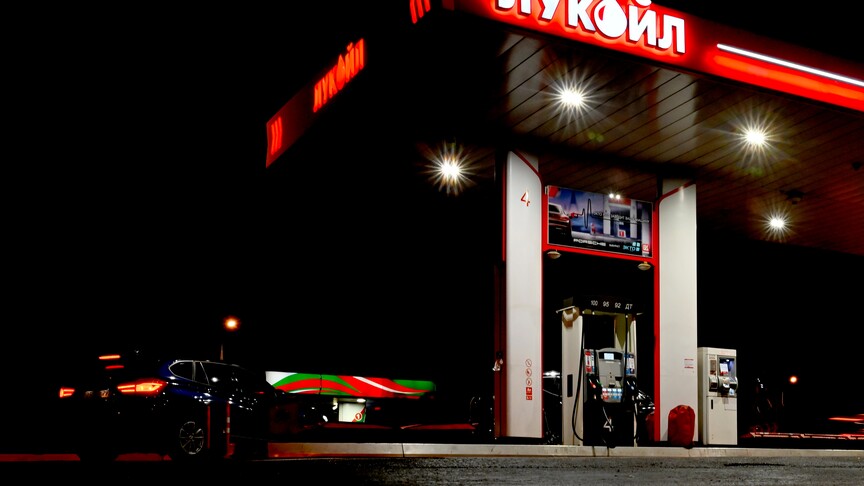
Russia’s fuel shortages intensified again after easing last month, with access to gas becoming increasingly difficult in various regions.
The nationwide percentage of stations reported to have gas or diesel dropped from 41% on Aug. 9 to 28.1% as of Aug. 16, according to real-time data website GdeBENZ, where drivers report gas station conditions.
The map on the website shows that some stations have completely run out while others are seeing long lines and sales limits, particularly in the southern Volga region and some other central regions.
Russian Deputy Premier Alexander Novak is holding frequent meetings with industry representatives to resolve the issue.
Novak’s recent meeting on Aug. 14 involved discussions on fuel supply in the Orenburg, Lipetsk, Tver and Oryol regions, as well as the republics of Tuva and Khakassia and the Krasnodar, Zabaykalsky, Primorsky and Krasnoyarsk regions.
The Russian Energy Ministry said fuel supply problems at gas stations persist in some regions.
Orenburg is one of the most affected regions, where the administration reimposed fuel sales limits starting Aug. 12, allowing vehicles to buy fuel on alternate days based on the last digit of their license plates.
The Lipetsk region reinstated a similar system, under which some major gas station chains allow fuel purchases on days determined by license plate numbers, and the amount of gas that can be sold to a single vehicle has been capped at 30 liters (7.9 gallons).
In the Krasnodar region’s city of Anapa, 11 of 25 operating gas stations sell fuel only to drivers holding fuel cards and to special service vehicles, while the other 14 stations impose various limits on fuel amounts as of Aug. 17.
In the same region’s port city of Novorossiysk, only five of the 28 gas stations operating on the morning of Aug. 17 sold AI-92 gas, while six sold AI-95, and diesel was available at 27 stations.
Sevastopol reintroduced a QR code scanning system for fuel sales and a limit of 20 liters (5.2 gallons) per vehicle on standard gas types.
The Altai republic’s measure preventing drivers from refueling more than once a day remains in force to prevent excessive demand.
Even in the nation’s capital, Moscow, fuel is unavailable at some stations and long lines are forming at others.
Some 41 probes have been launched into oil companies and independent fuel market participants, while 68 warnings have been issued, according to the Russian anti-monopoly watchdog FAS.
Some 30 of these probes were launched in the summer, while the number of summer investigations was around three times higher than the number of probes launched in the first five months of the year.
Russia’s first major fuel shortage began in late May, bringing with it bans on purchasing fuel in containers and varying sales rules. The situation was reported to have improved in the second half of July, with restrictions easing in some regions.
The gas supply declined again in mid-August, prompting the reimposition of previously lifted restrictions, indicating that a second wave of the fuel crisis is underway.
The shutdown of some oil refineries, drone attacks on Ukrainian energy infrastructure, rising fuel demand in summer and logistics difficulties in regional shipments led to supply issues.
Russia’s gas production fell to around 65% of average seasonal consumption in July.
Russia began importing gas from India and Morocco, as well as from its traditional suppliers such as Belarus and Kazakhstan, to ease supply shortages in the domestic market.
Moscow extended the temporary gas export ban until Jan. 31, 2027, urging oil firms to increase shipments to affected regions.
The Energy Ministry continued issuing measures to increase imports, maintain refinery production at the highest possible level and redirect existing stocks to the domestic market.
Moscow also temporarily authorized the production, import and sale of Euro-2, Euro-3 and Euro-4 gas, which have lower environmental standards than Euro-5 since they contain much more sulfur and certain pollutants.