07 December 2015•Update: 08 December 2015
by Vasiliki Mitsiniotou
ATHENS
The Greek government faces a round of tough negotiations with its European creditors starting on Tuesday.
Representatives of country’s creditors from the euro zone, the European Central Bank and the International Monetary Fund will discuss further economic reforms in an effort to unlock the next bailout payment of €1 billion ($1.084 billion).
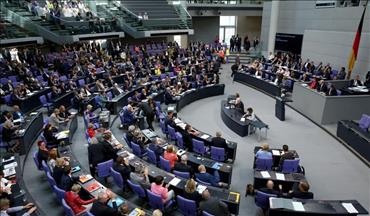
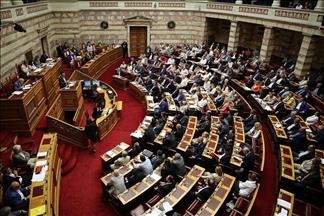
So far, the Greek coalition government has been racing to fulfill milestones set by the bailout agreement every week. This Saturday, the Greek parliament approved the 2016 state budget shortly after midnight with just 153 votes for and 145 against, making way for the legislation of the next reforms.
The 2016 budget, the first by the Tsipras-led government, includes €5.7 billion ($6.2 billion) of public spending cuts, with €1.8 billion ($1.9 billion) coming from pensions, and €500 million ($542.5 million) from defense.
The budget also included the privatization of €50 billion ($54.2 billion) of state assets, pension reform, and the handing over of a veto power on some domestic legislation to Brussels.
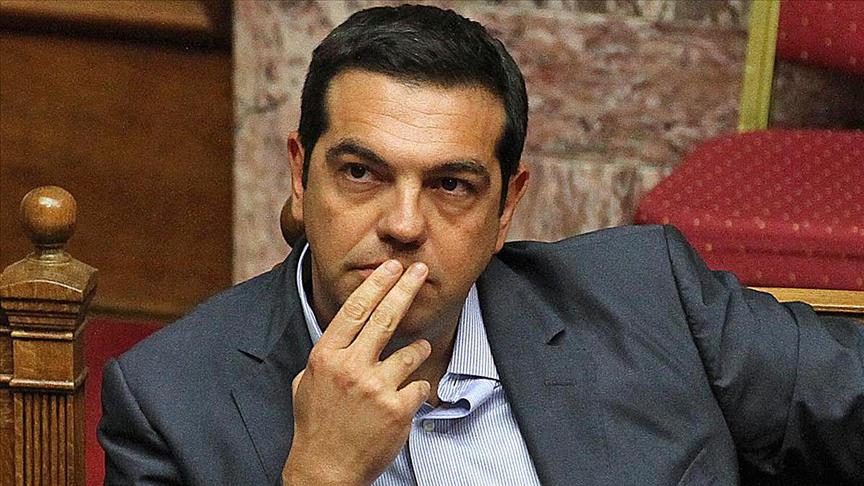
"This budget is a difficult task for a government that wants to leave its mark with social justice," Prime Minister Alexis Tsipras said at the budget debate on Saturday. Finance Minister Euclid Tsakalotos also defended the budget, explaining that it imposes only €2.67 billion ($2.894 billion) in taxes, while the 2011 budget earmarked €4 billion ($4.337 billion).
Now the two sides will focus on 13 remaining issues that need to be resolved by Saturday. One of them is the management of non-performing loans and the decision on which of these will be sold to private funds by the banks. So far, creditors have only agreed to leave mortgages for primary homes out of this reform.
Other issues include changes in the payment system for public sector workers, and the formation of a task force which will be responsible for setting up the privatization fund. This was included in the bailout agreement signed by the Greek government in July, but issues like how the fund will be managed still remain unclear.
Another important issue is the privatization of the Independent Power and Transmission Operator (ADMIE). Greece and its lenders agree on public-private ownership of ADMIE, but there is disagreement on whether the controlling stake will be public, a solution favored by the Greeks, or private. Tsakalotos slammed the opposition in parliament on Saturday for their unclear position on the matter pointing out that he sought their support.
This set of reforms should be put through parliament and approved by the Eurogroup before Christmas if Greece is to receive the installment before the end of the year.