by Bilal Kenasari & Ilgin Karlidag
ANKARA
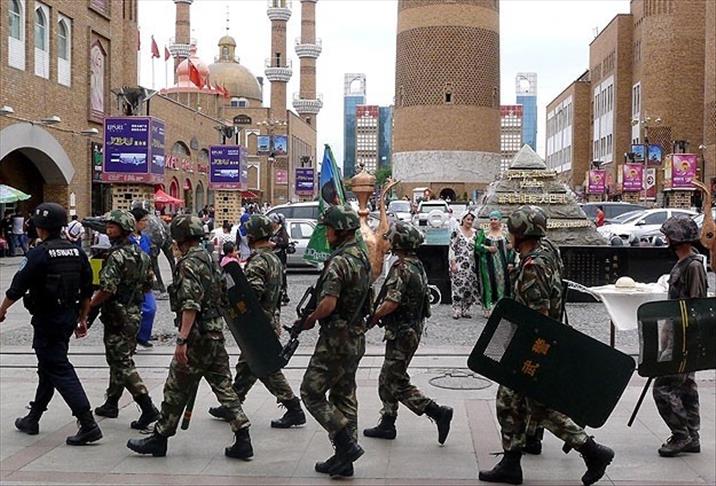
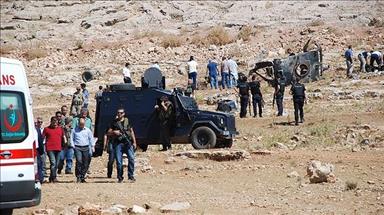
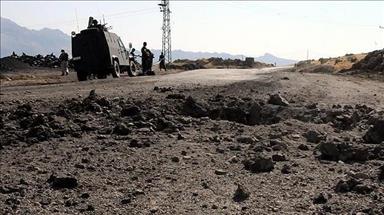
China has shed new light on last week's "terrorist" attack by masked militants in its northwest Xinjiang Uighur Autonomous Region, raising suspicion among Uighur groups that the death toll may be far higher.
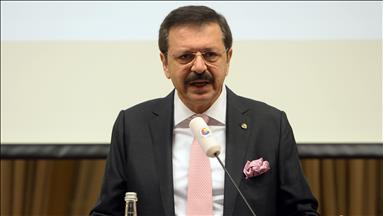
Seyyit Tomruk, the vice president of the World Uighur Congress told the Anadolu Agency on Monday that he suspected the "real toll" was closer to “100,” adding that the timing of its release along with “isolation” in the area suggest the real number may "much higher.”
“We are unable to communicate with the people living in that particular territory [far-western Xinjiang], and when we call the nearby towns people are afraid to speak as the Chinese government is monitoring the phone calls,” he added.
China’s state news agency Xinhua reported Tuesday that a mob had run riot in Elixku Township in Shache County attacking civilians and smashing vehicles, but no exact figures were given except that "dozens" of people had died.
On Sunday, however, the regional government revealed 37 civilians were killed in the disturbance and another 13 injured, Xinhua adding that police had also "gunned down" 59 "terrorists" carrying banners that hailed "holy war" and arrested 215 others.
It is unclear why neither toll was announced in the immediate aftermath of the attack, or whether those "gunned down" actually died.
The government said that among the dead were 35 Han civilians and two Uighur but there was no effort to explain if either group were the so called "terrorists" or innocent victims caught up in the disturbance.
Uighur are a Turkic-speaking Muslim ethnic minority group who constitute around 45 percent of the population of Xinjiang. They have accused the Chinese government of human rights violations and discrimination.
Sophie Richardson, the China director at Human Rights Watch, told AA Monday that the lack of independent monitors in the area leads to fears that "we'll never know what happened, or what the final death or casualties figure is."
"The government has for so long reflexively branded perpetrators as 'terrorists,' 'separatists,' or 'otherwise,' while at the same time characterizing peaceful speech this way... that its description of events alone just isn't credible."
The New York Times reported last week that Uighur exile groups, citing sources in the region, had said that there was no mob, rather a group of protesters who had gathered outside government offices, only to be greeted with excessive force by police.
The violence erupted Monday – the last day of Ramadan, during which the Chinese government banning government employees and children from fasting. Xinhua reported that since the beginning of the holy month, the mob had had multiple gatherings in remote places, during which they made attack plans and prepared tools for their violent acts.
Human rights organizations, activists and analysts have said such restrictions have sparked violence in the mineral and oil-rich province for years, and that the Uighur have been subject to religious, cultural and language restrictions, which have helped fuel their demands for a separate state.
The World Uyghur Congress vice president accused Chinese officials of hypocrisy Monday, alleging that while they are condemning Israel’s massacre in Gaza, "they themselves are killing civilians in East Turkmenistan.”
“If international organizations had raised their voices against the Chinese ban on fasting during the Ramadan, China would not have had the courage to kill all those people,” he claimed.
www.aa.com.tr/en