Diyar Guldogan
18 June 2026•Update: 18 June 2026
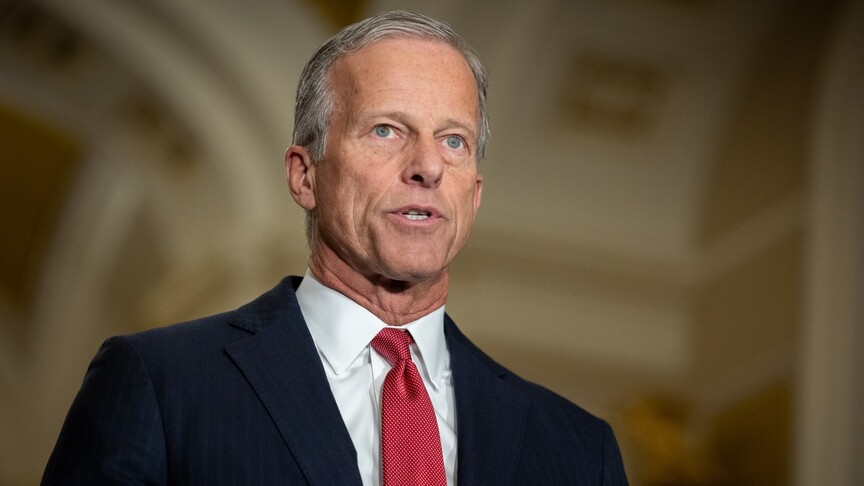
US Senate Majority Leader John Thune said on Wednesday that he expects the upper chamber to begin consideration of the annual National Defense Authorization Act (NDAA) in the near future.
Speaking on the Senate floor, Thune highlighted the growing role of drones and other unmanned systems in modern warfare, citing conflicts in Ukraine and Iran as evidence that military technology is rapidly evolving.
"From the battlefields of Ukraine to the conflict with Iran, drones and other unmanned systems have become the weapon of choice. Yet the United States military has been dangerously behind in drone and counter drone capabilities. ... but we still have more work to do. That's where the National Defense Authorization Act comes in," he said.
While noting recent efforts to improve those capabilities, Thune said additional action is needed and argued that the NDAA would help address critical military requirements.
"I often say that if we don't get national security right, the rest is just conversation," he said. "This annual defense bill is one of the most important bills we consider each year."
Thune said the legislation includes a range of measures designed to strengthen the military, improve readiness and ensure US forces remain technologically competitive. Among its provisions, the bill authorizes a 3.6% pay raise for service members.
The Senate Armed Services Committee on Tuesday unveiled a sweeping defense policy measure authorizing $1.15 trillion in spending for fiscal 2027, including provisions to establish a military drone command and create new senior Pentagon positions focused on cyber operations, housing and military travel. The legislation now advances to the full Senate for consideration.
"We have to get national security right," Thune said. "I'm glad this year's National Defense Authorization Act is up to the task, and I look forward to bringing it to the floor very soon."
The legislation authorizes $1.15 trillion in fiscal 2027 defense spending, in line with President Donald Trump's discretionary budget request, but does not include a proposed $350 billion increase that the administration intends to secure through reconciliation. Altogether, the Trump administration is seeking roughly $1.5 trillion for the Defense Department.