Hassan Isilow
20 June 2019•Update: 21 June 2019
JOHANNESBURG
The world needs to find a solution to end the refugee crisis by addressing its root causes, several speakers agreed Thursday during celebrations marking World Refugee Day at the Pan-African Parliament in Johannesburg.
“When we assemble in gatherings of this nature, we should constantly remind ourselves of the noble call to silence the guns and to roll back the frontiers of conflict,” said Thulani Mavuso, acting director-general of South Africa’s Department of Home Affairs.
He said conflicts, persecution and human rights violations are some of the underlying factors responsible for the forced displacement of people.
Mavuso said South Africa hosts nearly 120,000 refugees and is determined to protect all those who fled conflict and persecution in their home countries.
Last year alone, South Africa granted nearly 1,600 people refugee status, he explained.
“In recent years, the government of South Africa, through the Department of Home Affairs, has invested in improving services at our refugee reception centers to affirm the dignity of those who have been displaced in their own countries,” he said.
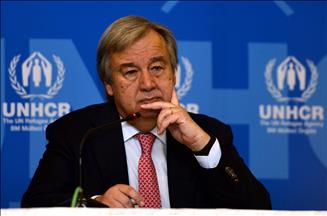
Several organizations, including the Department of Home Affairs, the United Nations refugee agency UNHCR, Pan-African Parliament, and the African Peer Review Mechanism, held a panel discussion in honor of World Refugee Day.
“For us to end the refugee problem, our leaders need to provide their citizens with justice and economic development,” said Egide Ndayishimiye, one of the panelists.
“We need a global dialogue to find peace in conflict zones so as to end to the refugee crisis,” said Maynard Julius Chanda Misapa, deputy high commissioner for Zambia in South Africa.
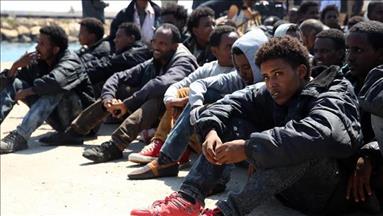
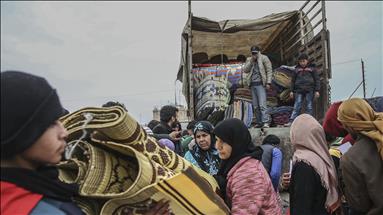
Civil wars, terrorism, and political persecution have forced millions of people across the world to flee their homes.
According to the United Nations High Commissioner for Refugees, Africa has over 6 million refugees, one of the continents with the most displaced people in the world.
Nigeria
On Thursday, the UN warned the Nigerian government against the forceful return of refugees displaced by the decade-long Boko Haram insurgency in the volatile northeastern region.
"We know people are desperate, they want to go back home, but they must go home in dignity. People must be allowed to return on their own,” said Edward Kallon, UN humanitarian coordinator in Nigeria.
Kallon further said that the Boko Haram violence in the northeast was fueled by a development deficit.
He urged the government to provide adequate water, shelter, food, and security before returning the refugees to their homes.
About 20,000 people, including civilians and security personnel, have been killed and 3 million displaced by the Boko Haram insurgency in Nigeria’s northeast since its start in 2009.
Ethiopia
Meanwhile, in Ethiopia, Kebede Chane, director general of the Agency for Refugees and Returnees Affairs (ARRA), said about 86% of the world’s refugees live in developing countries.
He said forced displacement has reached a record high, with 70 million people currently displaced across the world.
Ethiopia, which pursues an open-door policy for refugee and asylum seekers, is the second-largest refugee hosting country in Africa, with about a million refugees living there.
* Addis Getachew in Ethiopia and Olarewaju Kola from Maiduguri, Nigeria contributed to this story.