Beyza Binnur Donmez
20 November 2026•Update: 20 November 2026
Switzerland said Thursday that it expects Myanmar to comply with an International Court of Justice (ICJ) ruling that the country committed genocide against the Rohingya ethnic minority, marking the first such verdict against a state.
In a written response to Anadolu, the Swiss Federal Department of Foreign Affairs (FDFA) said it had taken note of the judgment delivered Thursday in the case brought by Gambia against Myanmar.
"Switzerland expects the parties to comply with the Court's decision," the ministry said.
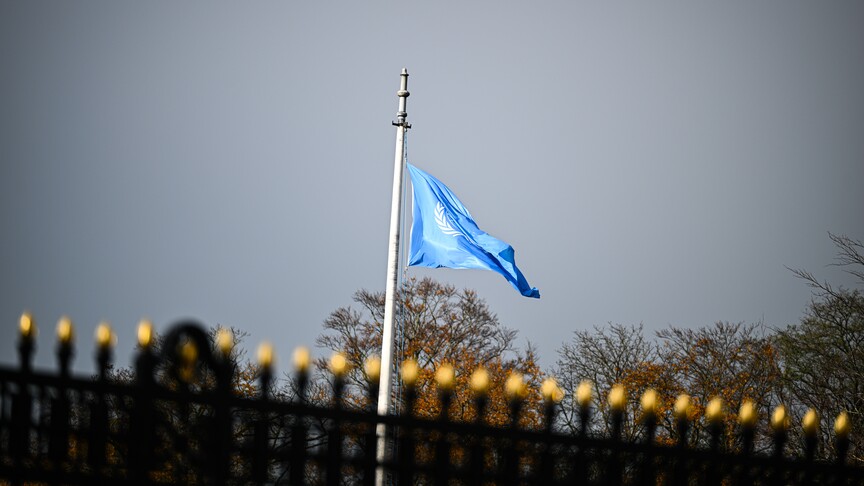
It described the ICJ as "the principal judicial organ of the UN and therefore a central institution for maintaining international order based on international law."
The ministry did not specify whether Switzerland was considering additional measures following the ruling.
The UK, meanwhile, announced a series of diplomatic steps in response to the judgment, including the expulsion of Myanmar's defense attaché, the summoning of its charge d'affaires and a request for an urgent UN Security Council meeting.
British Foreign Secretary Ed Miliband also said further measures would be announced in the coming days.
Switzerland already maintains sanctions against Myanmar, including an arms embargo, restrictions on goods that could be used for internal repression, asset freezes and travel bans targeting designated individuals and entities.
Bern first imposed sanctions against Myanmar in 2000 over human rights violations. Although most restrictions were lifted in 2012, the arms embargo remained in place. Bern tightened sanctions again in 2018 over concerns about systematic human rights violations and introduced further financial and travel restrictions following the 2021 military coup.
The ICJ ruled Thursday that Myanmar committed genocide against Rohingya Muslims during its 2017 military operations in northern Rakhine State.
The court ordered Myanmar to provide reparations to victims and take measures to prevent further violations.
It also gave Myanmar two years to report on restitution measures, while compensation arrangements will be determined in subsequent proceedings.