ISLAMABAD
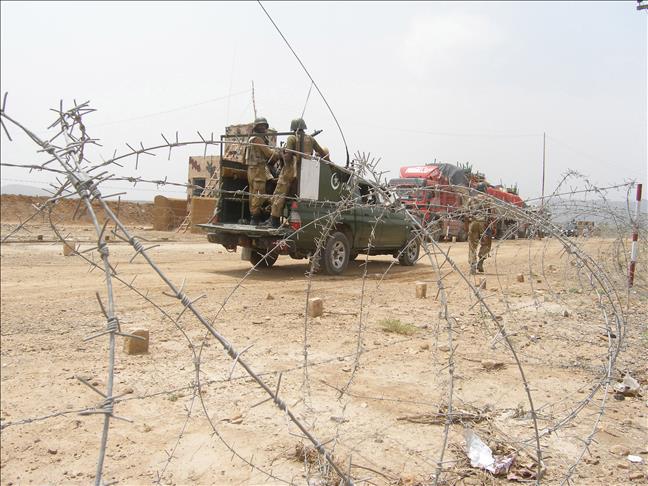
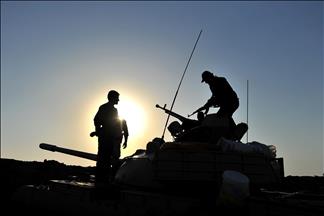
At the moment, the bulk of the Pakistani Taliban are stationed in North Waziristan, where they are facing a military onslaught aimed at their elimination. Their removal from North Waziristan however, does not mean their complete defeat. Previous army operations have only ever managed to push the militants from one area to another. Now, once again, the Taliban are looking for a new home.
For now, security experts believe they are headed to the far-flung Shawal valley, which until Wednesday had been omitted from the military operation. Still within North Waziristan but very remote, Shawal is a narrow, green, mountainous valley 80 kilometers from the tribal area's main town Miranshah, and would be very difficult for the army to operate in compared to the rest of the region.
Those 80 kilometers take four to five hours to cover because there is no road network connected to the valley, forcing people to travel on dusty, narrow pathways prone to landslides.
"Shawal valley will be an ideal destination for fleeing militants in given circumstances," said Rahimullah Yusufzai, who frequently writes on Afghanistan and Pakistan's tribal belt. "It will not be easy for the Pakistan army to launch air and ground strikes on Shawal valley because of its highly remote and mountaineer nature."
Though Kabul has given assurances about preventing cross-border movement, the militants will be able to easily trickle across into Afghanistan because of the border's porous nature.
"If the army operation is aimed at ousting militants from North Waziristan, then it will definitely be successful because of the gap of military might. But if the objective is to eliminate them, it is not at all an easy task as militants have choices to regroup both in Pakistan and Afghanistan," he said.
-- Lingering social conflict
Security and political experts warn that various social issues will continue to haunt North Waziristan, even after any "successful" army operation.
Some 700,000 people from North Waziristan have already migrated to adjoining districts and neighboring Afghanistan. As the government has not given a timeframe for the military operation's completion, it is unlikely the displaced will be returning home in the near future.
Persistent volatility has meant that almost 200,000 displaced people from South Waziristan, Bajur and Orakzai tribal areas have still not been able to return to the homes they were forced from in the wake of separate military operations from 2009 to 2012.
"The longer the military operation will be, more complicated the social problems will be," Abdul Khalique Ali, a Karachi-based political and security analyst told the AA. "Disrespect, suspicion, and fear will create a huge frustration among the displaced persons, especially youth who could be an easy target for militants to recruit."
He said there will ultimately be an influx of displaced people into big cities, but the increased population burden could create problems between them and hostile locals.
"They cannot stay in shelter camps or with their relatives for years. They will ultimately move to big cities where they can find better employment opportunities," he said. "That's why I consider the rehabilitation of internally displaced people a bigger challenge compared to even a successful military operation."
www.aa.com.tr/en