Burak Bir
23 September 2026•Update: 23 September 2026
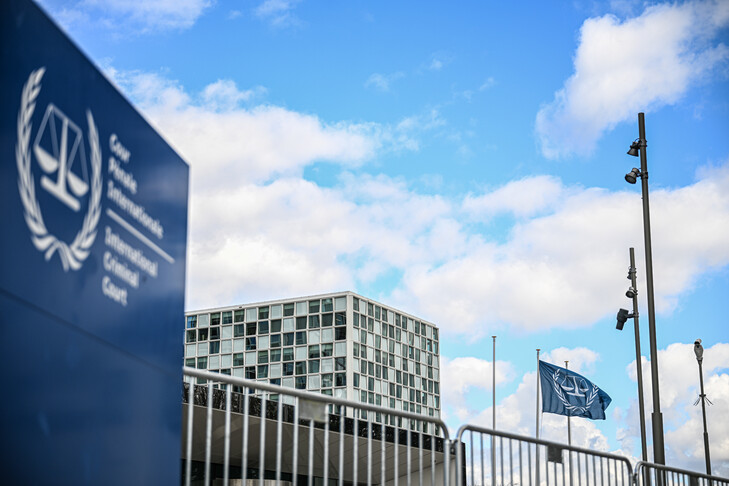
The Netherlands has asked the European Commission to prepare a "blocking statute" to protect the International Criminal Court (ICC) from possible further US sanctions, the foreign minister said Wednesday.
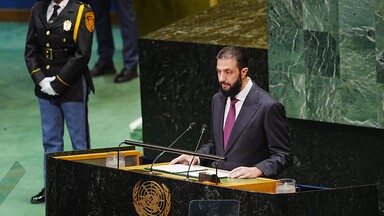
In an interview with Dutch daily De Volkskrant on the margins of the UN General Assembly in New York, Tom Berendsen expressed his concern over continued pressure on the ICC and court officials.
He said new sanctions are possible. "We are preparing for anything."
"Within the European Union, we stand strong together, but outside of it, there are individual countries that feel the US is increasing the pressure, and they cannot simply ignore that," said Berendsen.
His remarks came after The Wall Street Journal reported Sunday that US President Donald Trump's administration is preparing to implement expansive economic sanctions against the court.
Saying that the US has never supported the court, Berendsen added there is now a "massive" hardening of attitudes that could make the institution’s functioning impossible.
"We will do everything we can to protect the court," he noted.
Berendsen added: "The Netherlands has asked the European Commission to prepare the blocking statute so that we can deploy that drastic measure. We are prepared to use it."
What is blocking statute?
The blocking statute is a legal mechanism designed to protect EU companies and individuals from the extraterritorial application of specific third-country laws, primarily secondary sanctions imposed by the US.
"The blocking statute is the last resort we have. As long as we can protect the ICC in other ways, we will do so," he said.
Berendsen noted that drastic measure should not be used just to send a signal as it could lead to the situation "escalating even further."
Last month, US imposed sanctions targeting ICC President Tomoko Akane and senior trial lawyer Abdoulaye Seye, a move that sparked backlash across European countries, including the UK, France and Germany, as well as from the presidents of the European Council and European Commission.
The measures are part of sanctions against the ICC imposed by US President Donald Trump in February 2025.
The ICC said nine of its 18 judges, both deputy prosecutors, its former prosecutor and one staff member are currently under US sanctions.