04 December 2015•Update: 05 December 2015
By Alex Jensen
SEOUL
South Korea is gearing up Friday for another showdown between police and protesters, as a local court offered legal backing to a scheduled anti-government rally involving a coalition of labor unions and civic groups.
Seoul Administrative Court’s decision Thursday overturned a police attempt to ban a repeat of last month's mass gathering in the South Korean capital -- the Nov. 14 protest quickly turned violent, with more than 20,000 police deployed to contain a much larger crowd of protesters, some of whom brandished rudimentary weapons like metal pipes.
Among the dozens of arrests and injuries that followed, one particular story drew criticism of the authorities’ use of water cannons.
Baek Nam-gi, a 69-year-old farmer, had traveled to Seoul after feeling let down by the government over falling rice prices -- he remains hospitalized with serious brain damage having been knocked off his feet by a powerful jet of water.
Protesters plan to march towards Seoul National University Hospital this weekend, in support of Baek.
The Korean Confederation of Trade Unions (KCTU), which led the Nov. 14 rally, has promised to make Saturday’s protest as “large as possible”.
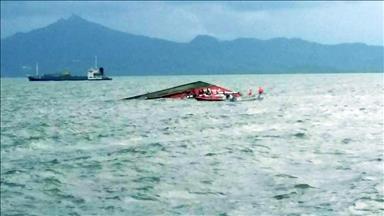
While the KCTU’s discontent stems from labor reforms, a wide range of grievances have been united under a wider anti-government sentiment that was fed by a sense of injustice following last year’s Sewol ferry disaster.
Their cause has been backed by the International Trade Union Confederation (ITUC), whose General Secretary Sharan Burrow wrote a letter to President Park Geun-hye last month.
“[Park] is showing some of the worst dictatorial tendencies of Korea’s darkest days of political oppression,” Burrow is quoted as saying on the ITUC website.
South Korean democracy emerged in the late 1980s from decades of military rule, which included harsh crackdowns on student protesters -- but labor conflicts continue to be a consistent theme in a business environment dominated by conglomerates.